

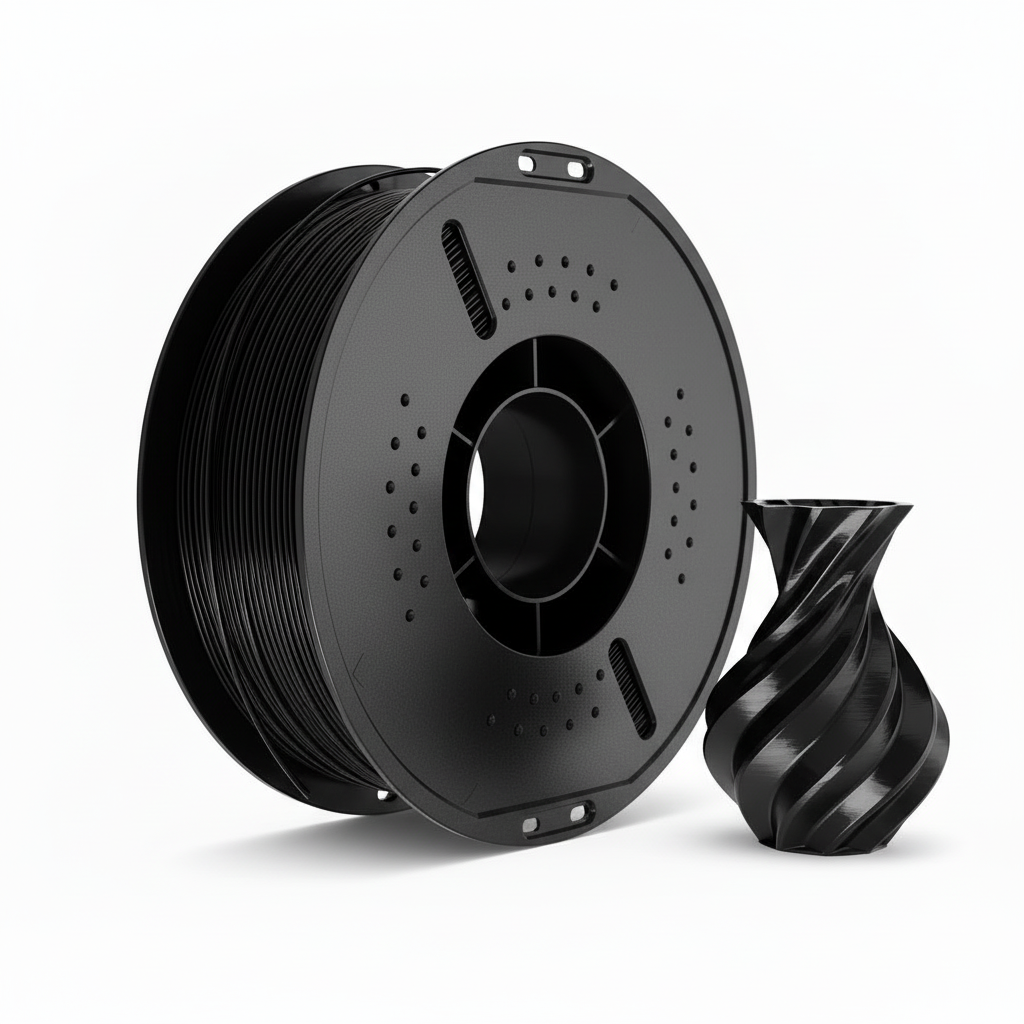
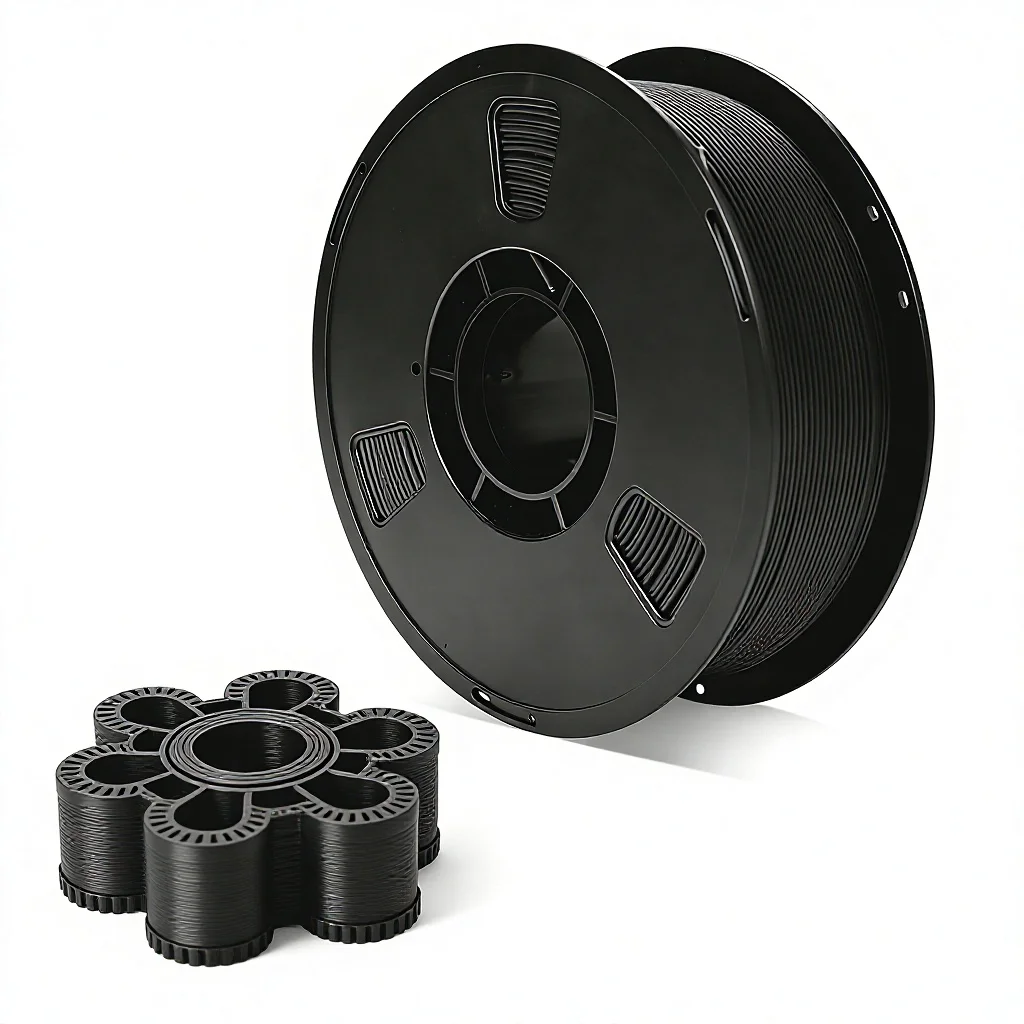
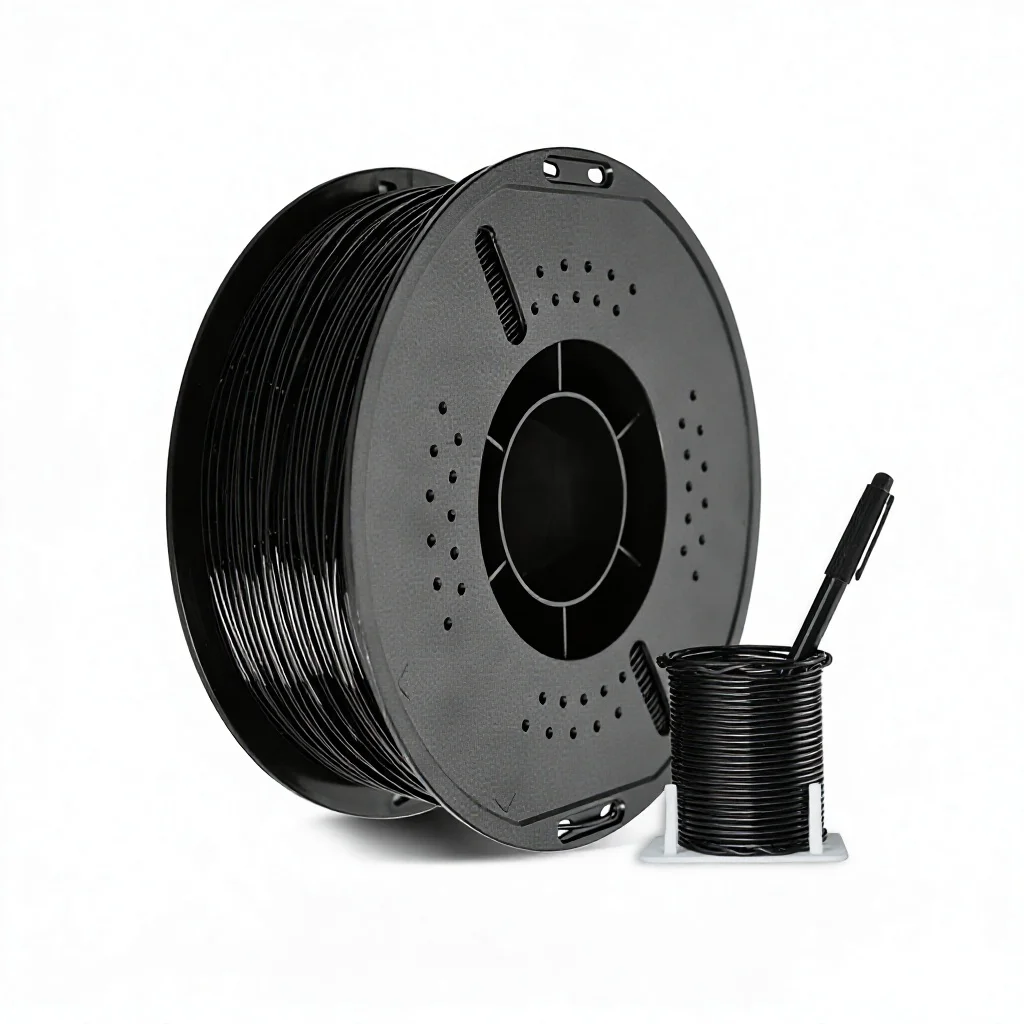
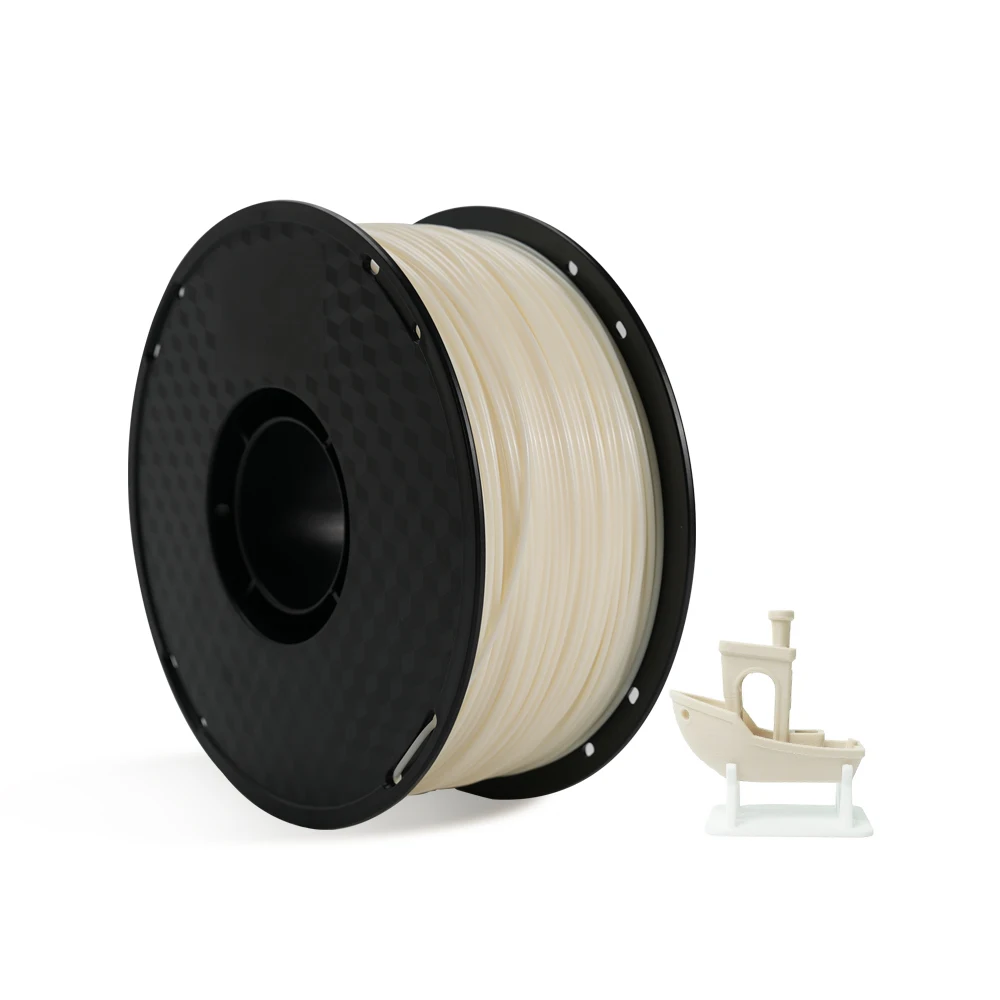
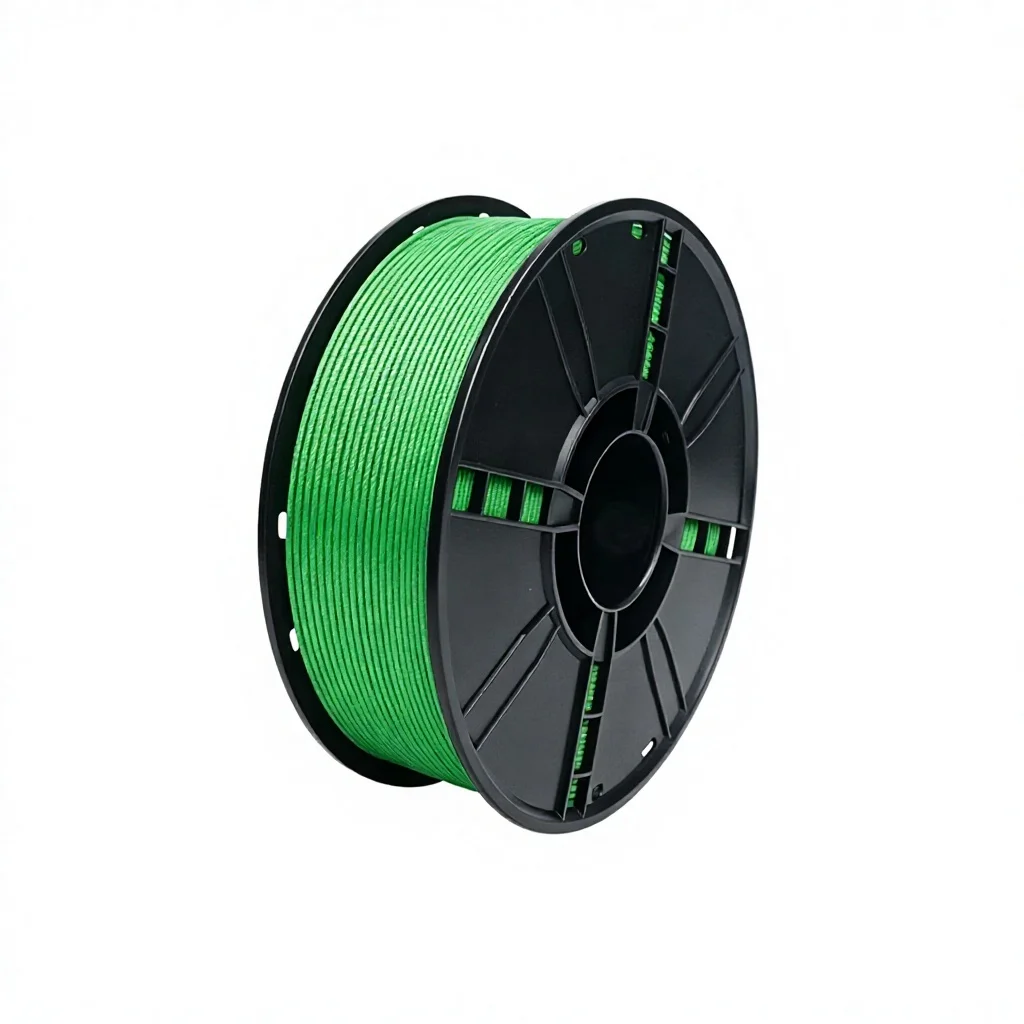
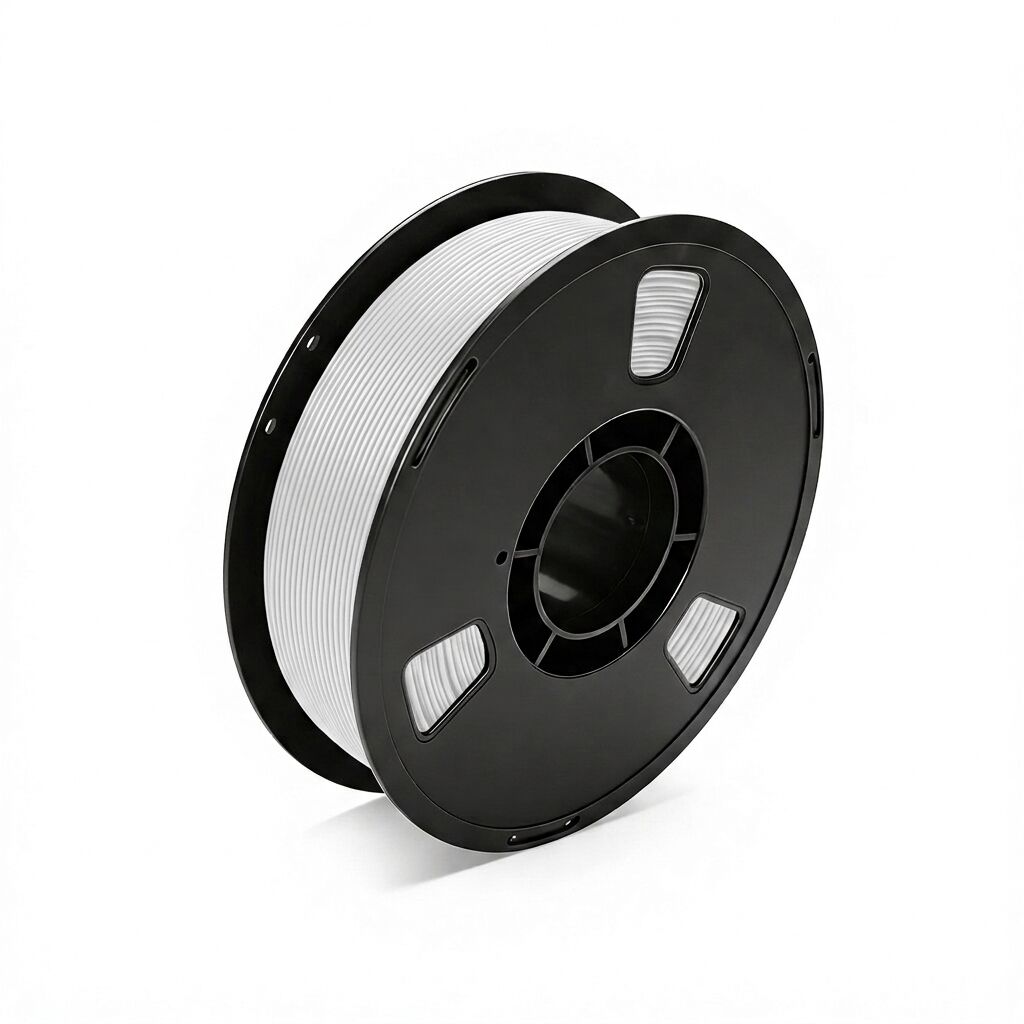
TPU Filament for 3D Printing: Flexible, Durable & Industrial-Grade

All Categories
Unmatched Advantages of Our 3D Print Flexible Material

Unmatched Advantages of Our 3D Print Flexible Material

At Shenzhen New Mars Material Co., Ltd., our 3D Print Flexible Material stands out due to its exceptional properties tailored for diverse applications. With over 100 production lines and a daily output of 4,000 kg, we ensure a consistent supply of high-quality materials to meet the growing demands of industries such as automotive, healthcare, and education. Our TPU filaments, for example, exhibit superior elasticity and durability, making them ideal for producing flexible prototypes and functional parts. In a recent project, a leading automotive manufacturer utilized our TPU material to create flexible seals, reducing assembly time by 30% while enhancing the overall performance of their vehicles. The material's ability to withstand extreme temperatures and mechanical stress has been validated through rigorous testing, ensuring reliability in critical applications.
Get A Quote

Case Study

Electric Vehicle Weight Reduction and Component Optimization

A prominent automotive firm recently adopted our high-performance 3D Print Flexible Material, specifically our industrial-grade TPU filaments, to create intricate structural components for their new electric vehicle model. The natural flexibility and high tensile properties of our material allowed for the design of lightweight yet robust protective parts, contributing to a valuable 15% reduction in overall vehicle component weight. This material innovation not only improved energy efficiency but also enhanced the vehicle's shock-absorption performance on various terrains, leading to a significant increase in end-user satisfaction.

Accelerated Custom Orthopedic Brace Prototyping

In the medical sector, a leading healthcare provider utilized our advanced 3D Print Flexible Material to prototype custom-fit orthopedic supports tailored to specific patient anatomy. The ability to quickly produce flexible yet highly sturdy prototypes allowed the development team to compress their product testing cycle by an impressive 40%. Clinical feedback highlighted the superior comfort, skin-friendly texture, and dynamic adaptability of the printed supports, which are crucial for patient recovery. Our material's strict structural compliance and reliability make it a preferred choice for specialized medical prototyping applications.

Interactive STEM Kinematic Engineering Models

A forward-thinking educational institution leveraged our premium 3D Print Flexible Material to create interactive kinematic learning tools for mechanical engineering students. By utilizing our highly responsive flexible filaments, instructors designed engaging, bendable models that could be manipulated easily to demonstrate physical forces, material fatigue, and structural dynamics. Feedback from educators indicated a notable 25% improvement in student engagement and conceptual understanding, demonstrating the versatility of our flexible filaments in transforming complex theoretical learning into practical, tactile experiences.

Related products

In the rapidly evolving landscape of 3D printing, the demand for high-quality, flexible materials has surged. Our 3D Print Flexible Material, particularly our TPU and TPE filaments, are engineered to meet the diverse needs of various industries. The production process begins with sourcing high-grade raw materials, followed by advanced extrusion techniques that ensure uniform filament diameter and optimal performance. Our state-of-the-art facility, spanning 10,000 m², is equipped with cutting-edge technology that allows for precise control over the manufacturing process. This level of precision is crucial, as even minor variations can impact the quality of the printed product. Our materials are designed to withstand significant mechanical stress, making them suitable for applications ranging from automotive parts to medical devices. With a focus on sustainability, we also prioritize eco-friendly practices in our production processes. As we continue to expand our global reach, our commitment to innovation and quality remains unwavering. We aim to empower our clients with the tools they need to succeed in their respective fields, ensuring that every project benefits from the advantages of our superior 3D Print Flexible Material.

Frequently Asked Questions

What are the key benefits of using 3D Print Flexible Material?

The primary benefits of using our 3D Print Flexible Material include enhanced elasticity, durability, and versatility. Designed for applications in automotive, medical, and educational fields, our materials allow for the creation of lightweight and robust components. For instance, our TPU filaments can endure extreme temperatures and mechanical stress, making them ideal for functional prototypes. Additionally, our quick delivery service ensures that clients receive their materials promptly, facilitating timely project execution. With a one-year after-sales service, we are committed to supporting our clients throughout their 3D printing journey, ensuring that any issues are promptly addressed to maintain the integrity of their projects.
Selecting the appropriate flexible material depends on the specific requirements of your project. Consider factors such as the intended use, environmental conditions, and mechanical properties required. For example, if your project demands high elasticity and impact resistance, our TPU filaments would be an excellent choice. Alternatively, for applications needing a balance of flexibility and rigidity, our TPE materials may be more suitable. We recommend consulting with our technical team, who can provide tailored advice based on your project needs. Our extensive experience in various industries allows us to guide you in making the best choice for your applications.
Yes, we are committed to sustainability and environmental responsibility. Our 3D Print Flexible Materials are produced using eco-friendly practices, ensuring minimal environmental impact during the manufacturing process. We prioritize sourcing renewable materials when possible and continually strive to improve our processes to reduce waste and energy consumption. Our clients can feel confident that by choosing our products, they are making a responsible choice for the environment while still achieving high-quality results in their 3D printing projects.
Our 3D Print Flexible Material is utilized across various industries, including automotive, healthcare, education, and consumer goods. In the automotive sector, our materials are used for creating flexible components that enhance vehicle performance and efficiency. In healthcare, they are employed in the prototyping of medical devices and supports that require a high degree of customization and comfort. Educational institutions leverage our materials to produce interactive learning tools that engage students effectively. Our flexible materials are versatile and can be adapted to meet the unique demands of any industry, ensuring that clients achieve their project goals.
We pride ourselves on our efficient production capabilities, offering a lead time of just seven days for orders of our 3D Print Flexible Material. Our extensive production lines and dedicated workforce ensure that we can meet the demands of our clients promptly. Once an order is placed, our team will confirm the specifics and provide a timeline for delivery, ensuring that you have the materials you need when you need them. Our commitment to quick turnaround times is part of our dedication to customer satisfaction and project success.

Related article

Customer Testimonials

Liam Smith

We have been using New Mars's 3D Print Flexible Material for our automotive components, and the results have been outstanding. The TPU filaments provide the perfect balance of flexibility and durability, allowing us to create parts that withstand rigorous testing. Our production efficiency has improved significantly, and we have even reduced material waste by 20%. I highly recommend their products to any manufacturer looking for reliable 3D printing materials.

Ava Brown

As a medical device company, we rely heavily on high-quality materials for prototyping. New Mars's 3D Print Flexible Material has transformed our development process. The flexibility of the TPU filaments allows us to create custom-fit devices that enhance patient comfort. We have seen a 40% reduction in our prototyping timeline, and the feedback from our clinical trials has been overwhelmingly positive. Their customer service is also top-notch, making the entire experience seamless. Highly recommended!

Get a Free Quote

Our representative will contact you soon.
Email
Mobile/WhatsApp
Name
Company Name
Message
0/1000
Superior Mechanical Elasticity and Structural Longevity

Superior Mechanical Elasticity and Structural Longevity

Our premium 3D print flexible material is molecularly formulated to deliver superior elasticity, exceptional fatigue resistance, and structural longevity under intense mechanical strain. The advanced polyurethane architecture allows extruded parts to stretch, bend, and compress repeatedly without suffering from layer delamination, permanent warping, or micro-cracking. This structural resilience makes the filament an incredibly dependable option for rugged industrial gaskets, shock-absorbing enclosures, and vibration-dampening components. Furthermore, its thermal stability ensures that printed items maintain their mechanical performance across a wide temperature spectrum, reducing operational maintenance costs and minimizing the need for frequent hardware component replacements.
Advanced Rheology for Rapid and Reliable Prototyping

Advanced Rheology for Rapid and Reliable Prototyping

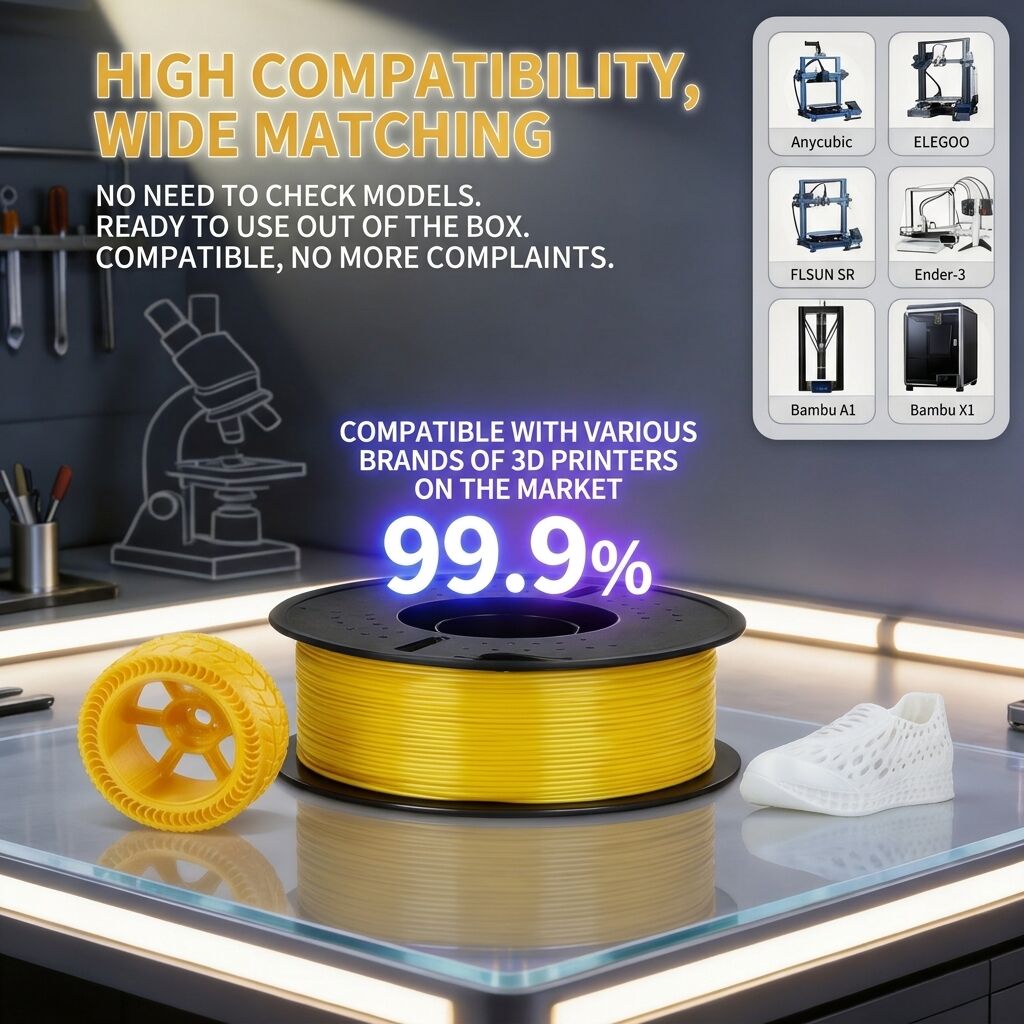
Engineered to possess highly optimized thermal properties and smooth melt flow behavior, our 3D print flexible material significantly accelerates your factory's rapid prototyping capabilities. The refined polymer formulation eliminates common flexible filament issues such as severe nozzle stringing, under-extrusion, and print bed warping, resulting in clean prints and excellent layer adhesion. This high reliability allows design engineers to swiftly print, test, and iterate complex geometric concepts without experiencing hardware downtime. By shrinking product development timelines by up to 40%, our high-tolerance material ensures commercial enterprises can compress their R&D phases and bring finished products to market ahead of global competitors.