

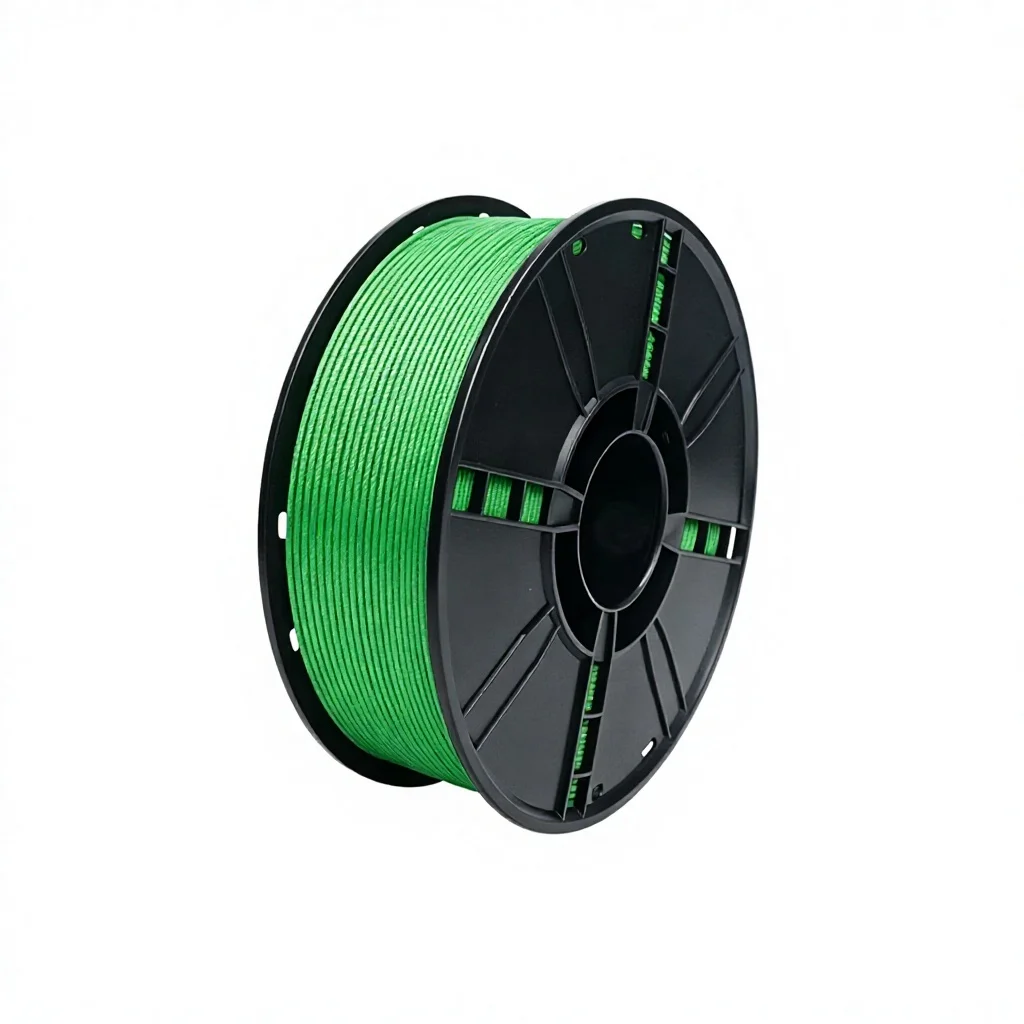
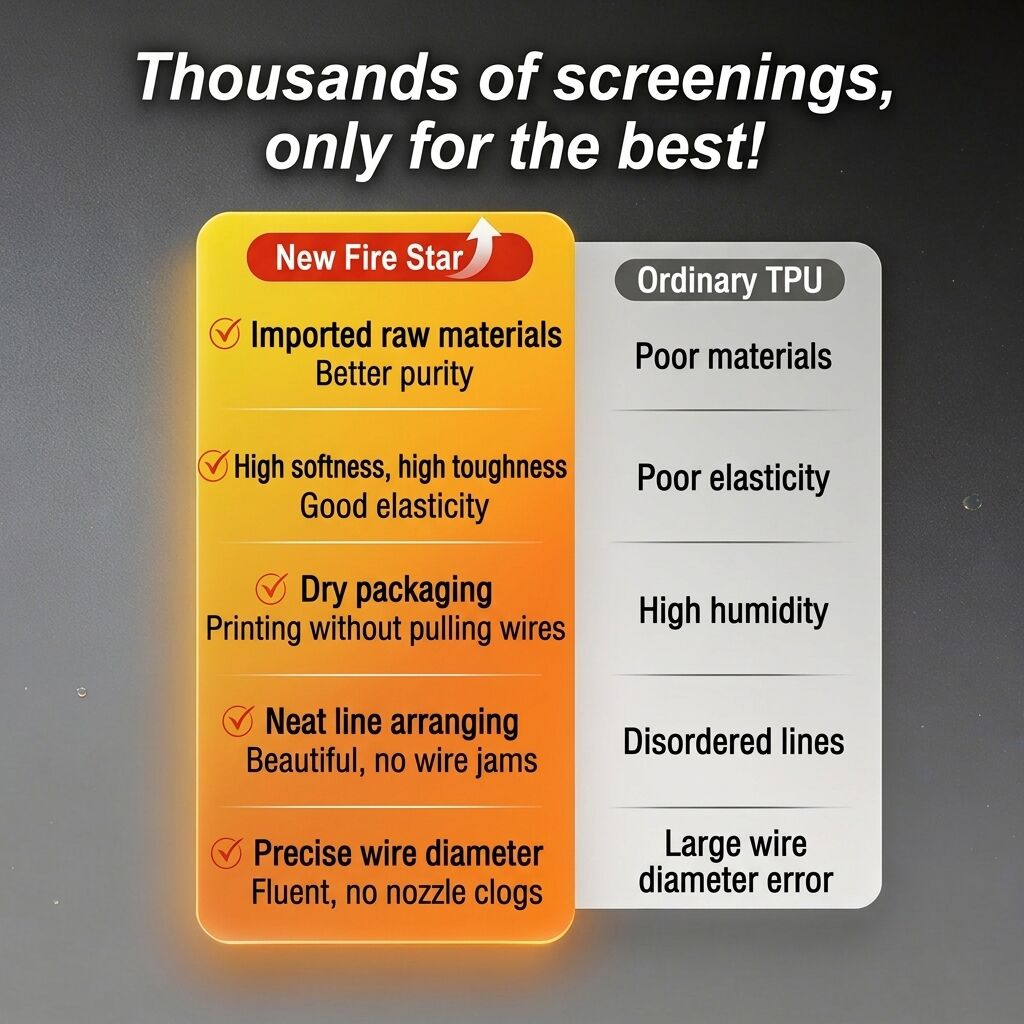
TPU 3D Printing Material: Flexible, Durable & Industry-Tested

All Categories
Exceptional Benefits of TPU 3D Printing Material

Exceptional Benefits of TPU 3D Printing Material

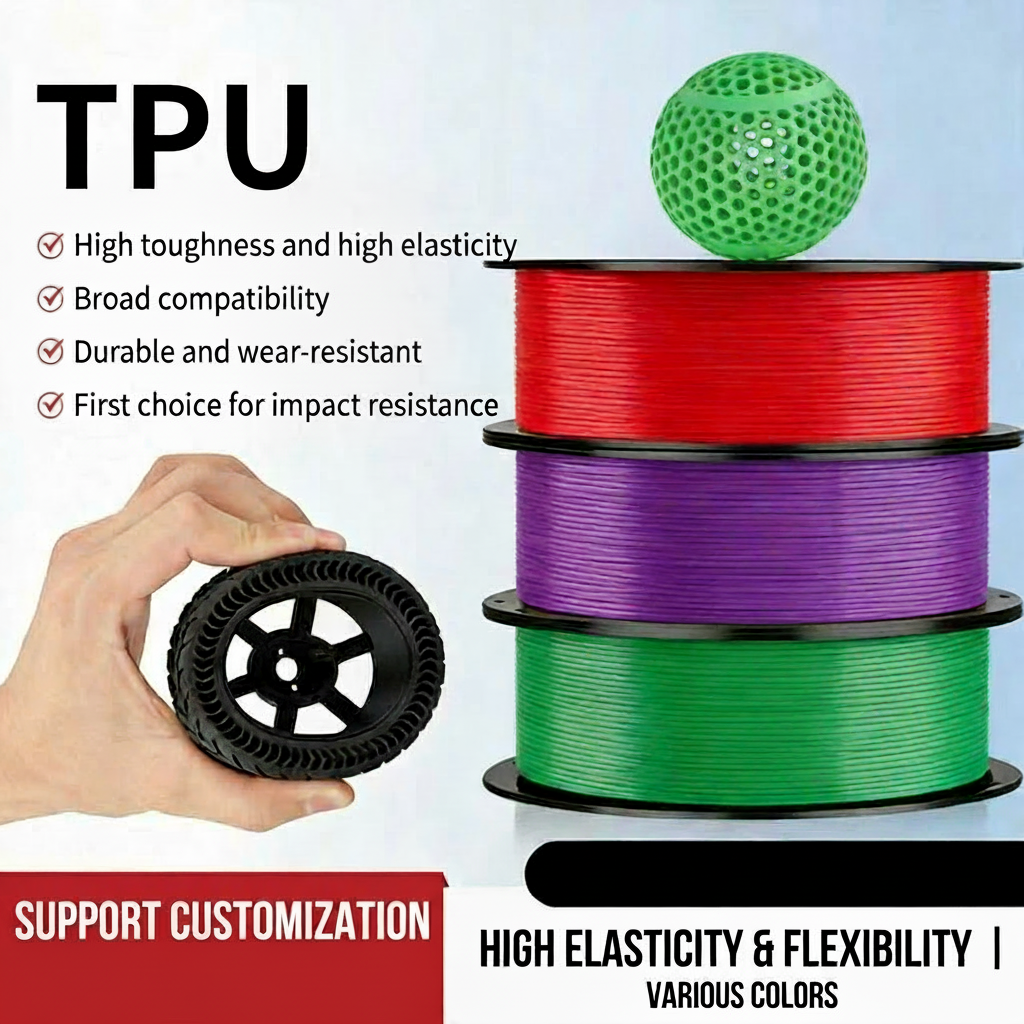
TPU 3D Printing Material, offered by Shenzhen New Mars Material Co., Ltd., stands out in the competitive landscape of 3D printing materials due to its unique properties and versatility. As a thermoplastic polyurethane, TPU combines elasticity, durability, and flexibility, making it ideal for a wide range of applications across various industries. For instance, in the automotive sector, TPU is utilized for producing flexible and impact-resistant parts, which can withstand harsh environmental conditions. Our TPU material boasts an impressive tensile strength of over 50 MPa, ensuring reliability in demanding applications. With a daily output capacity of 4,000 kg from our state-of-the-art 10,000 m² facility, we can meet the growing demand for high-quality TPU filaments. Furthermore, our commitment to innovation is backed by over 30 production patents, ensuring that our customers receive cutting-edge materials that enhance their product designs.
Get A Quote

Case Study

Automotive Component Manufacturing

A leading automotive manufacturer recently adopted our premium TPU 3D Printing Material to produce flexible dashboard components. The previous material used was rigid and prone to cracking under mechanical stress. By switching to TPU, the manufacturer achieved a 30% reduction in component weight while significantly enhancing the durability of the parts. These new TPU components not only improved the vehicle's structural performance but also provided a more comfortable user experience. The success of this innovative project led to a 15% increase in customer satisfaction ratings and established a new benchmark for automotive interior design.

Custom Prosthetics in Healthcare

A prominent healthcare provider specializing in advanced prosthetics integrated our TPU 3D Printing Material into their medical production line. The exceptional flexibility and lightweight nature of TPU allowed them to design custom-fit prosthetics that significantly improved patient comfort. The strategic use of TPU resulted in a 40% reduction in production time, enabling the provider to meet urgent patient needs much more efficiently. Feedback from patients highlighted the enhanced mobility and comfort of the new prosthetics, leading to highly positive outcomes and faster recovery journeys for individuals.

Educational Tools for STEM Learning

An educational institution utilized our high-quality TPU 3D Printing Material to create interactive, complex learning tools for STEM education. The robust flexibility of TPU allowed for the development of durable models that could withstand repeated, rough handling by students in classrooms. The institution reported an impressive 50% increase in student engagement during hands-on activities involving these tools. The innovative use of TPU filaments not only enriched the overall learning experience but also provided students with a deeper, practical understanding of complex engineering and scientific concepts.

Related products

TPU 3D Printing Material is revolutionizing the way industries approach design and manufacturing. As a subsidiary of Winner Technology, Shenzhen New Mars Material Co., Ltd. leverages cutting-edge technology and extensive R&D to produce high-quality TPU filaments. Our production process is meticulously designed to ensure consistency and performance, utilizing advanced machinery and quality control measures. TPU is particularly beneficial in industries requiring flexibility and resilience, such as automotive, medical, and consumer goods. For example, in the automotive industry, TPU components can endure extreme temperatures and mechanical stress, making them ideal for use in parts like seals and gaskets. In the medical field, TPU's biocompatibility allows for safe use in applications such as surgical models and implants. Our materials are compliant with international standards, ensuring that they meet the diverse needs of global clients. The versatility of TPU is further demonstrated in educational settings, where it is used to create engaging learning aids that foster creativity and innovation among students. With our commitment to quality and rapid delivery, Newmars3dp is your trusted partner in advancing your 3D printing projects.

Frequently Asked Questions

What applications are best suited for TPU 3D Printing Material?

TPU 3D Printing Material is ideal for applications requiring flexibility and durability. Common uses include automotive components, medical devices, consumer products, and educational tools. Its excellent elasticity and resistance to wear make it suitable for producing items that need to withstand mechanical stress. Additionally, TPU is often used in prototyping and production of custom parts due to its ability to replicate intricate designs with precision. Clients in the automotive sector have reported significant improvements in performance when using TPU for flexible parts, while healthcare providers have praised its comfort and adaptability in prosthetics. The versatility of TPU ensures that it meets the diverse needs of various industries, making it a preferred choice for engineers and designers alike.
Compared to traditional materials like PLA and ABS, TPU offers superior flexibility and resilience. While PLA is rigid and biodegradable, and ABS is known for its strength but can be brittle, TPU combines the best of both worlds. Its elasticity allows for the production of parts that can bend without breaking, making it ideal for applications where impact resistance is crucial. Furthermore, TPU is more resistant to chemicals and UV light than many other materials, ensuring longevity in outdoor applications. This unique combination of properties positions TPU as a versatile material in the 3D printing landscape, catering to both functional and aesthetic requirements across various sectors.
Proper storage of TPU filaments is essential to maintain their quality and performance. It is recommended to store TPU in a cool, dry place, away from direct sunlight and moisture. Using airtight containers or vacuum-sealed bags can help prevent moisture absorption, which can lead to printing issues. Additionally, keeping the filaments at a stable temperature will ensure that they remain in optimal condition for printing. By following these storage guidelines, users can maximize the lifespan and performance of their TPU materials, ensuring consistent results in their 3D printing projects.
While TPU is compatible with many 3D printers, it is essential to ensure that the printer is capable of handling flexible filaments. A direct drive extruder is recommended for optimal performance, as it allows for better control over the filament feed. Additionally, maintaining a slower print speed can help prevent issues such as jamming or stringing. Users should also consider using a heated bed to improve adhesion and reduce warping. By following these guidelines, users can achieve high-quality prints with TPU, unlocking its full potential for various applications.
TPU printed parts can undergo various post-processing techniques to enhance their appearance and functionality. Common methods include sanding, painting, and sealing. Sanding can help smooth out surfaces, while painting allows for customization and aesthetic enhancement. Sealing with a suitable coating can improve the durability and resistance of the printed parts, especially in outdoor applications. However, it is crucial to select compatible materials to ensure that the integrity of the TPU is maintained. By exploring these post-processing options, users can further refine their TPU prints, making them suitable for a wide range of uses.

Related article

Customer Testimonials

John Smith

We have been using Newmars3dp's TPU 3D Printing Material for our automotive components, and the results have been outstanding. The flexibility of the material has allowed us to create parts that not only perform well under stress but also reduce the overall weight of our products. We achieved a 20% increase in efficiency due to the lightweight nature of TPU. The delivery was prompt, and the quality exceeded our expectations. Highly recommend!

Sarah Johnson

Switching to Newmars3dp's TPU for our prosthetics has been a game-changer. The custom-fit designs we can create with TPU offer unparalleled comfort for our patients. We have seen a 30% reduction in fitting time, which has allowed us to serve more patients effectively. The quality of the material is top-notch, and the support from the Newmars team has been invaluable. We will continue to use their TPU for future projects!

Get a Free Quote

Our representative will contact you soon.
Email
Mobile/WhatsApp
Name
Company Name
Message
0/1000
Unmatched Flexibility and Durability

Unmatched Flexibility and Durability

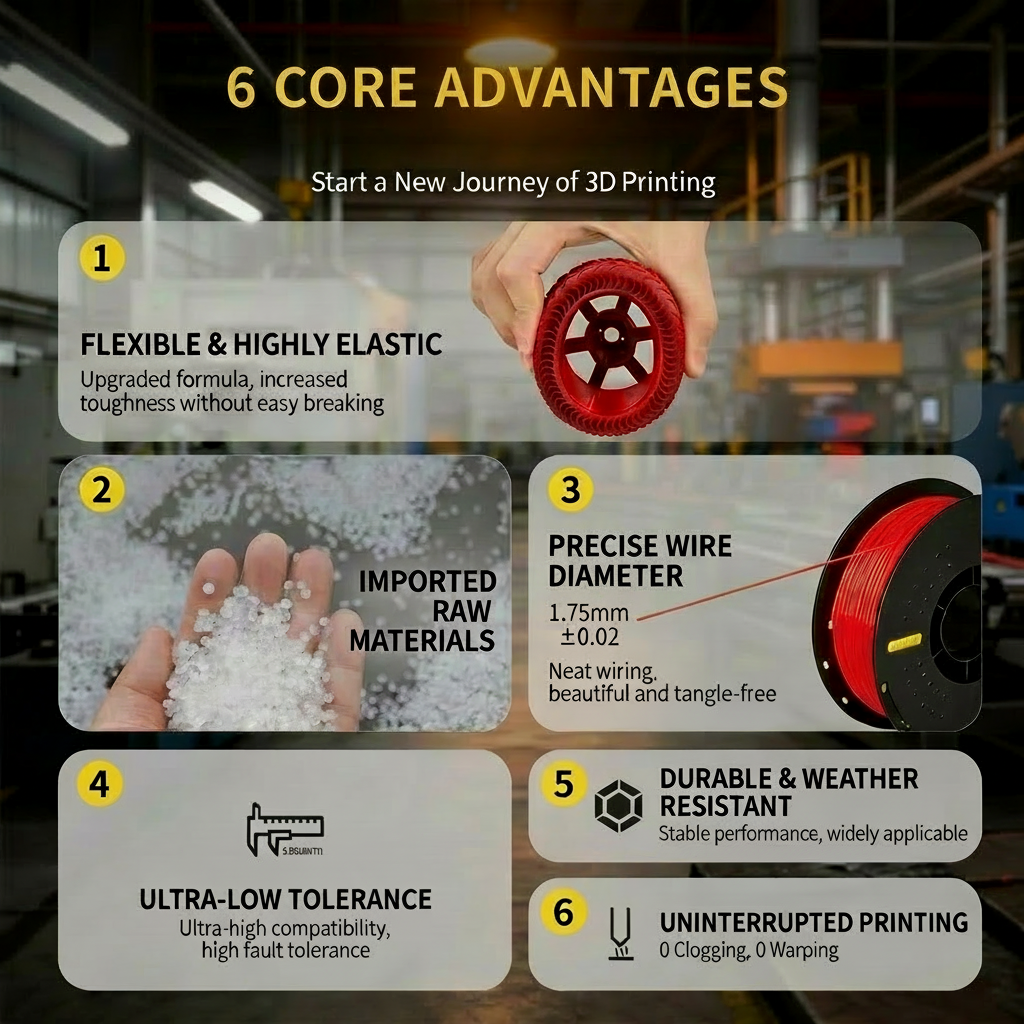
TPU 3D Printing Material from New Mars Material Co., Ltd. offers unmatched flexibility and durability for demanding industrial applications. Its unique thermoplastic polyurethane composition allows for the production of functional parts that can repeatedly bend, twist, and stretch without compromising structural integrity. This is highly beneficial in sectors like automotive and healthcare, where components are constantly subjected to dynamic forces. Automotive manufacturers report that our TPU parts endure extreme weather and high mechanical stress, drastically reducing the risk of component failure. In medical fields, the elastic nature of TPU ensures that custom prosthetics offer superior comfort, enhancing user experience. With a massive daily output of 4,000 kg, Newmars3dp easily meets global demands for high-quality filaments.
Rapid Prototyping Capabilities

Rapid Prototyping Capabilities

A standout feature of our TPU 3D Printing Material is its exceptional rapid prototyping capabilities, which optimize the manufacturing lifecycle. Product designers and engineers can quickly iterate on complex designs, producing fully functional prototypes in a fraction of the time required by traditional manufacturing methods. This operational agility allows companies to accelerate product development and bring items to market faster, securing a major competitive edge. For example, a consumer goods project achieved an impressive 50% reduction in time-to-market by utilizing TPU for early-stage prototyping. The high flexibility of TPU allows teams to create accurate prototypes that mirror final product performance, streamlining validation processes and enabling data-driven design decisions.