
Translucent 3D Printer Filament for B2B Industrial Use [2024]

All Categories
Unmatched Benefits of Translucent 3D Printer Filament

Unmatched Benefits of Translucent 3D Printer Filament

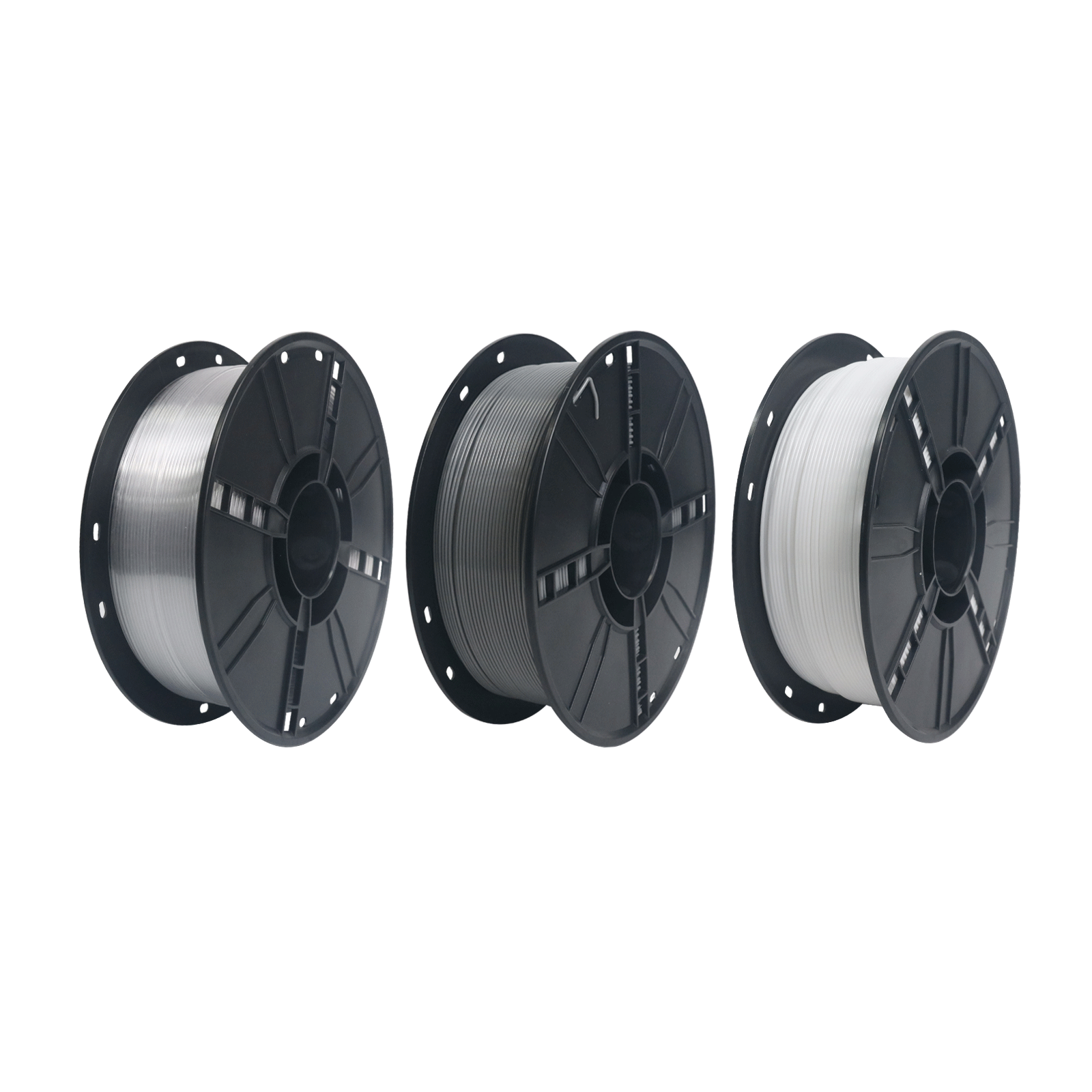
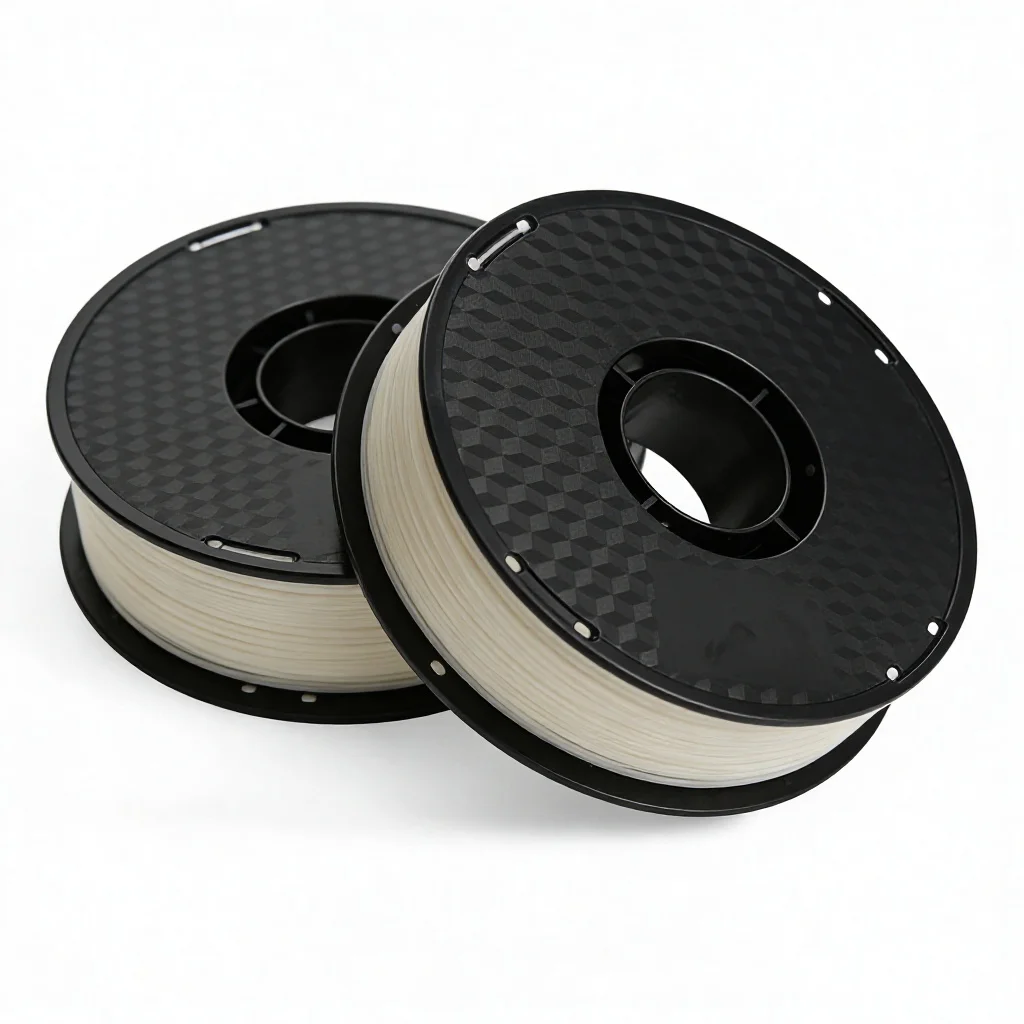
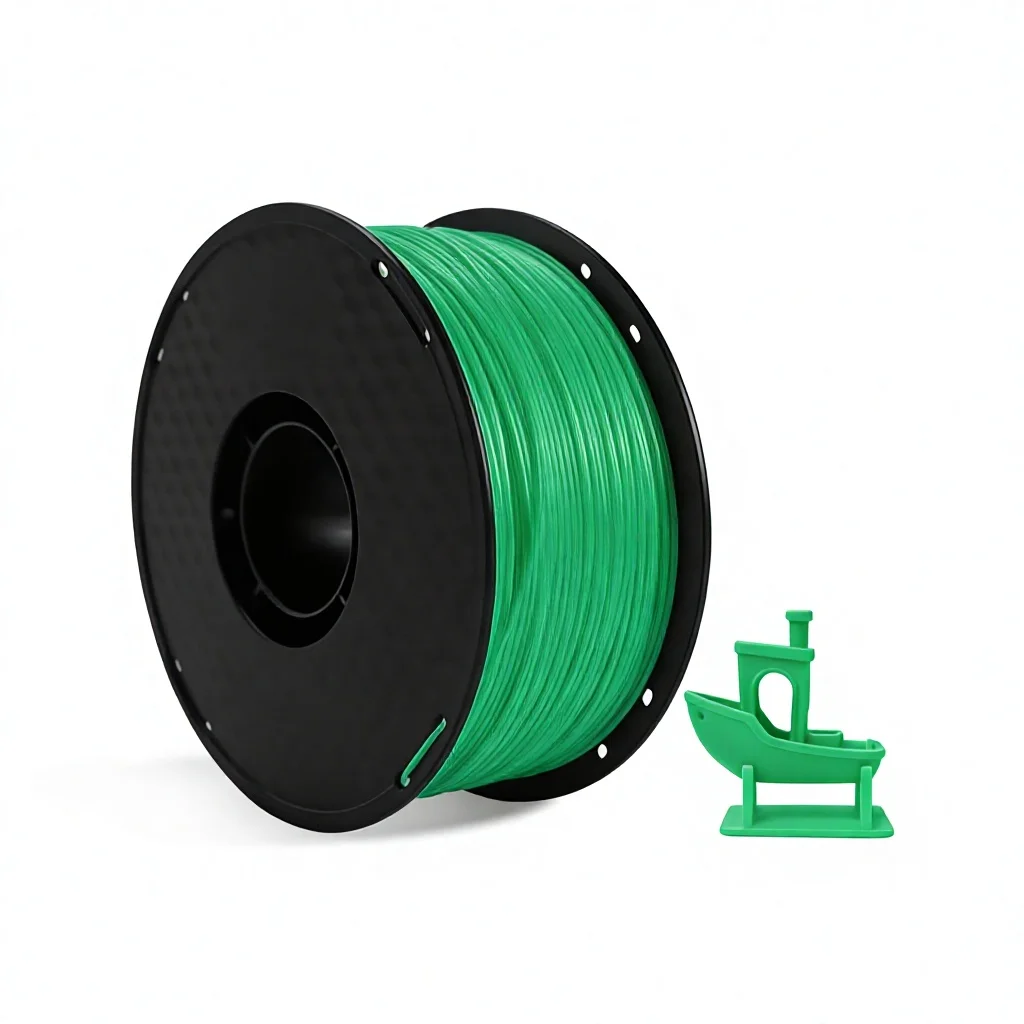
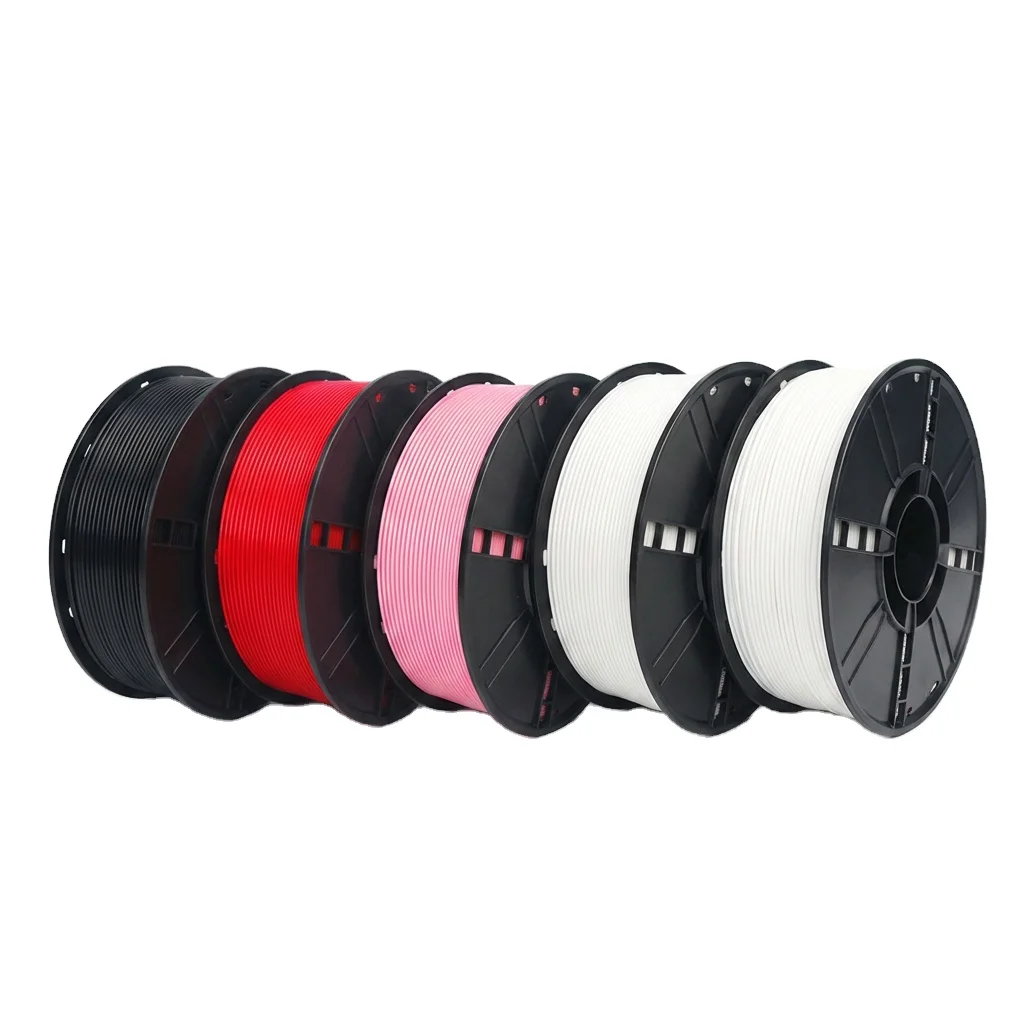
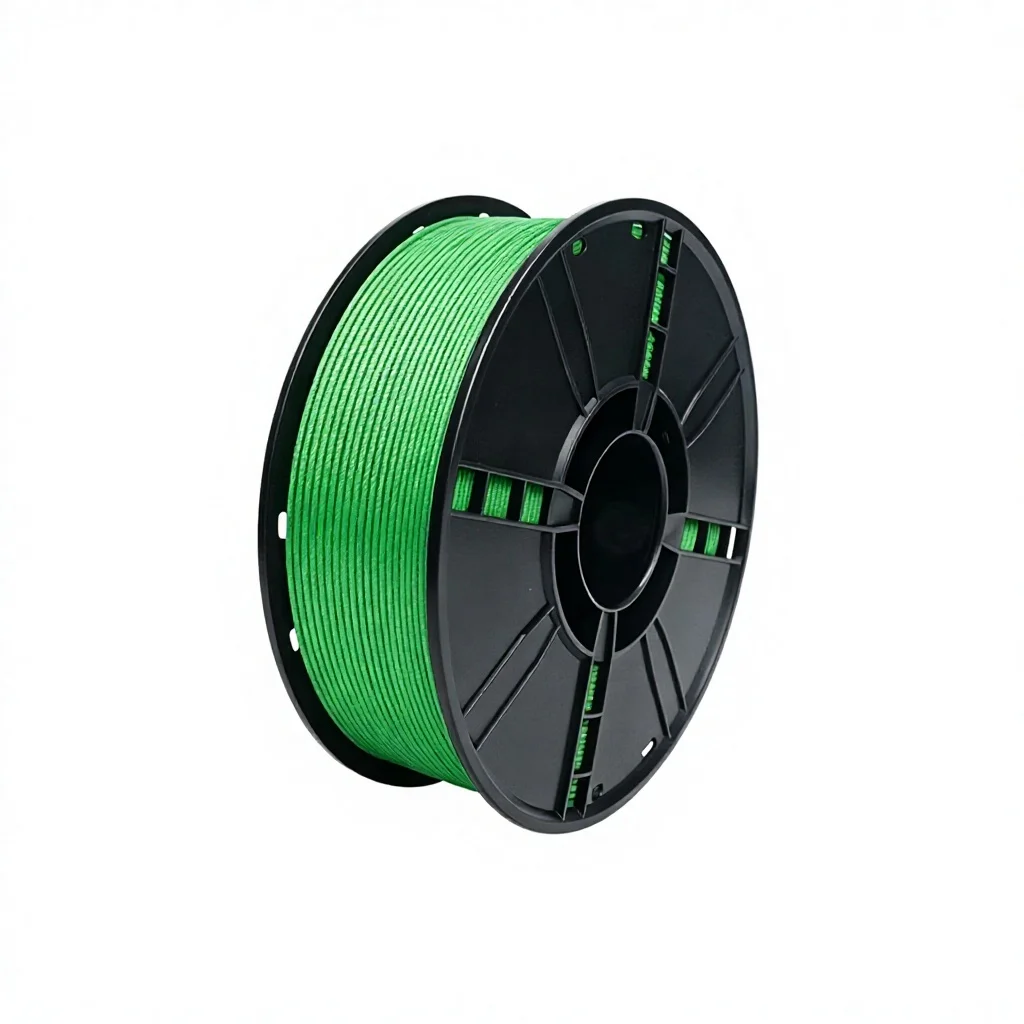
At Shenzhen New Mars Material Co., Ltd., we take pride in our Translucent 3D Printer Filament, a product that stands out in the competitive landscape of 3D printing materials. Our filament is engineered for versatility, making it ideal for various applications in industries such as product design, industrial manufacturing, medical, education, and research. With over 100 production lines and a daily output of 4,000 kg, our manufacturing capabilities ensure that we can meet large-scale demands without compromising on quality. Our Translucent 3D Printer Filament boasts superior layer adhesion, which enhances the structural integrity of printed models. This filament is also compatible with a range of printers and can be used for both professional projects and educational purposes, making it a favorite among designers and educators alike.
Get A Quote

Case Study

Innovative Medical Models

A leading medical research institution recently integrated our premium Translucent 3D Printer Filament to fabricate high-precision anatomical training models for complex clinical simulations. By utilizing the optical-grade clarity of our specialty material, engineering teams produced durable, see-through models that accurately showcased internal vascular networks and complex organ tissues. This advanced tactile visualization allowed medical students and surgical professionals to observe deep internal structures clearly, vastly improving spatial comprehension compared to traditional textbook learning models. The institutional partners reported exceptional educational outcomes, highly praising the material's structural consistency, absolute print precision, and innovative contribution to modern surgical training and healthcare education.

Art and Design Revolution

An emerging contemporary artist successfully utilized our advanced Translucent 3D Printer Filament to design an intricate series of large-scale light sculptures for a major global art exhibition. The specialty material's unique capacity to diffuse light smoothly allowed the creator to experiment with varying degrees of structural translucency, producing stunning geometric patterns and ethereal ambient visual effects. This highly publicized installation perfectly highlighted the premium filament's versatile structural stability within the creative sector. The project generated significant market attention, leading directly to a substantial increase in gallery artwork acquisition queries and successfully illustrating the immense commercial viability of 3D printing in modern fine arts.

Prototyping for Industrial Applications

A prominent industrial manufacturing enterprise integrated our high-performance Translucent 3D Printer Filament into their rapid product development department to prototype a complex fluid dynamics component. The distinctive structural clarity of the material allowed engineering teams to physically inspect internal liquid flow paths and verify structural form-fit functions instantly before commencing expensive injection molding processes. These clear, functional prototypes were utilized during critical project stakeholder evaluation presentations, facilitating immediate positive technical feedback and ensuring a much faster corporate engineering sign-off. This successful application effectively demonstrated how our advanced polymer filaments streamline manufacturing cycles, reduce waste, and accelerate industrial prototyping timelines.

Related products

Our Translucent 3D Printer Filament is engineered for excellence, combining advanced polymer technology with rigorous quality control processes. At Shenzhen New Mars Material Co., Ltd., we understand the diverse needs of our global clients, which is why we have invested heavily in R&D to develop filaments that exceed industry standards. The production process begins with sourcing high-quality raw materials, followed by meticulous blending and extrusion. Each batch is tested for consistency in diameter and color, ensuring that our filament performs reliably across different printing environments. Our commitment to sustainability is evident in our manufacturing practices, where we aim to minimize waste and reduce our carbon footprint. With applications ranging from prototypes to final products, our Translucent 3D Printer Filament is the perfect choice for anyone looking to enhance their 3D printing experience. Its unique properties allow for creative freedom, enabling users to push the boundaries of design and innovation. As we continue to expand our global reach, we remain dedicated to providing exceptional support and service to our clients, ensuring that they have the resources they need to succeed in their projects.

Frequently Asked Questions

What is Translucent 3D Printer Filament made from?

Our Translucent 3D Printer Filament is primarily made from high-quality PETG material, known for its excellent clarity and strength. This material is favored in the 3D printing industry due to its ability to produce durable and visually appealing prints. The translucent nature of the filament allows for light diffusion, making it perfect for artistic applications and functional prototypes. During production, we ensure that the filament is extruded to precise specifications, maintaining a consistent diameter that fits a wide range of 3D printers. Our quality control processes involve rigorous testing to ensure that each spool meets our high standards for performance and reliability. This attention to detail guarantees that users can achieve optimal results in their printing projects, whether they are creating intricate designs or functional parts. Additionally, our filament is compatible with various printer types, including FDM and FFF systems, providing versatility for users in differ
The translucency of our 3D Printer Filament can significantly enhance the visual appeal of printed models, but it also requires some considerations during the printing process. When printing with translucent filament, it's essential to adjust the print settings to optimize layer adhesion and minimize visibility of layer lines. This can be achieved by using a slightly slower print speed and ensuring the nozzle temperature is set correctly to allow for smooth extrusion. Additionally, the translucency allows for unique applications such as backlit designs or light fixtures, where the printed object can diffuse light beautifully. Users can experiment with different infill patterns and densities to achieve varying levels of transparency, which can affect the final appearance. Overall, while the translucency adds a layer of complexity to the printing process, it also opens up exciting possibilities for creative and functional applications.
While our Translucent 3D Printer Filament is primarily designed for indoor applications, it can withstand some outdoor conditions due to its PETG composition. However, prolonged exposure to UV light and extreme weather conditions may affect the longevity and appearance of the printed objects. For outdoor applications, we recommend applying a UV-resistant coating to enhance durability and protect against fading. If your project requires outdoor use, consider using our other filaments specifically designed for outdoor durability, such as ASA or ABS, which offer superior resistance to UV light and environmental factors. It's essential to assess the specific requirements of your application to choose the most suitable filament for your needs.
Proper storage of Translucent 3D Printer Filament is crucial to maintaining its quality and performance. We recommend storing the filament in a cool, dry place, away from direct sunlight and humidity. Ideally, use airtight containers or vacuum-sealed bags with desiccants to prevent moisture absorption, which can lead to printing issues such as bubbling or poor adhesion. Keeping the filament at a stable temperature and avoiding temperature fluctuations will also help preserve its integrity. Regularly check the filament for any signs of degradation or brittleness, as this can impact print quality. By following these storage guidelines, you can ensure that your Translucent 3D Printer Filament remains in optimal condition for your future projects.
For optimal results with our Translucent 3D Printer Filament, we recommend the following printing settings: nozzle temperature between 220°C to 250°C, heated bed temperature around 70°C, and a print speed of 30-60 mm/s. Adjustments may be necessary based on your specific printer model and environmental conditions. It's beneficial to perform test prints to fine-tune the settings for your particular setup. Additionally, consider using a cooling fan during printing to enhance layer adhesion and improve surface finish. By adhering to these recommended settings, you can achieve high-quality prints that showcase the unique properties of our translucent filament.

Related article

Customer Testimonials

John Smith

As a product designer, I have worked with various filaments, but the Translucent 3D Printer Filament from Newmars3dp is exceptional. The clarity it provides allows me to create prototypes that not only function well but also look stunning. I recently used it for a project involving light fixtures, and the results were impressive. The filament adhered perfectly, and the light diffusion was exactly what I needed for my designs. The customer service team was also very responsive, helping me with my queries promptly. I highly recommend this filament for anyone in the design industry looking for quality and reliability.

Sarah Johnson

Our institution has been using Newmars3dp’s Translucent 3D Printer Filament for creating anatomical models for our medical students. The quality is outstanding, and the translucency of the models allows students to visualize complex structures effectively. We have seen a marked improvement in student understanding and engagement since we started using these models in our curriculum. The filament is easy to work with, and the support from Newmars3dp has been excellent. We appreciate their commitment to quality and customer satisfaction.

Get a Free Quote

Our representative will contact you soon.
Email
Mobile/WhatsApp
Name
Company Name
Message
0/1000
Superior Layer Adhesion for Enhanced Durability

Superior Layer Adhesion for Enhanced Durability

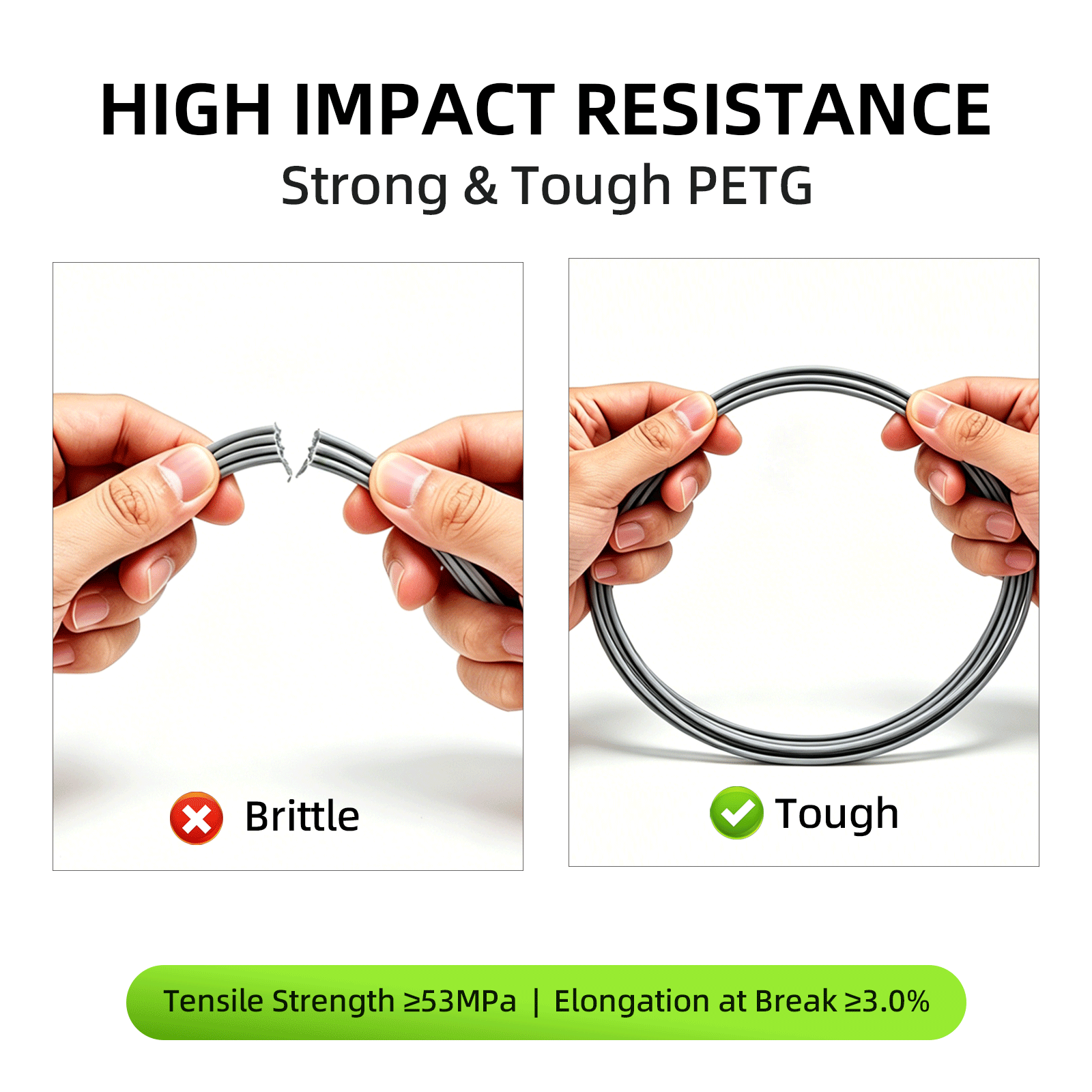
A core mechanical feature of our premium Translucent 3D Printer Filament is its engineered superior layer adhesion, which dramatically reinforces the long-term durability of printed models. This specialized polymer bond is crucial for demanding industrial applications where structural integrity is paramount, including functional mechanical prototypes, structural enclosures, and specialized medical training models. The advanced chemical formulation facilitates seamless molecular cross-linking between individual paths during extrusion, resulting in finished 3D prints that effectively absorb mechanical stress, impact, and physical strain without warping or fracturing. Engineers can produce highly complex geometric designs confidently, knowing their final components maintain tight tolerances and structural consistency over time. Our material performance guarantees repeatable reliability, making it the top choice for b2b manufacturing sectors worldwide.
Aesthetic Appeal for Creative Projects

Aesthetic Appeal for Creative Projects

The pristine optical translucency of our specialized 3D printer filament delivers a new spectrum of creative opportunities for industrial product designers, commercial architects, and multimedia artists. Engineered with precise light-diffusing additives, this advanced material allows creators to manipulate ambient illumination perfectly within their structural layouts, producing visually stunning, glossy surface finishes that immediately capture observer attention. From architectural prototypes to customizable high-end consumer lighting housings, the filament's refraction qualities blend functional stability with premium aesthetics. Businesses utilize these unique optical traits to craft distinctive branding displays, experimental product designs, and consumer-facing models that stand out from conventional materials, transforming ordinary structural layers into highly engaging visual statements that maximize marketplace product presentation.