
Polypropylene Filament for 3D Printing | High-Performance PP Filament

All Categories
Advantages of Polypropylene Filament

Advantages of Polypropylene Filament

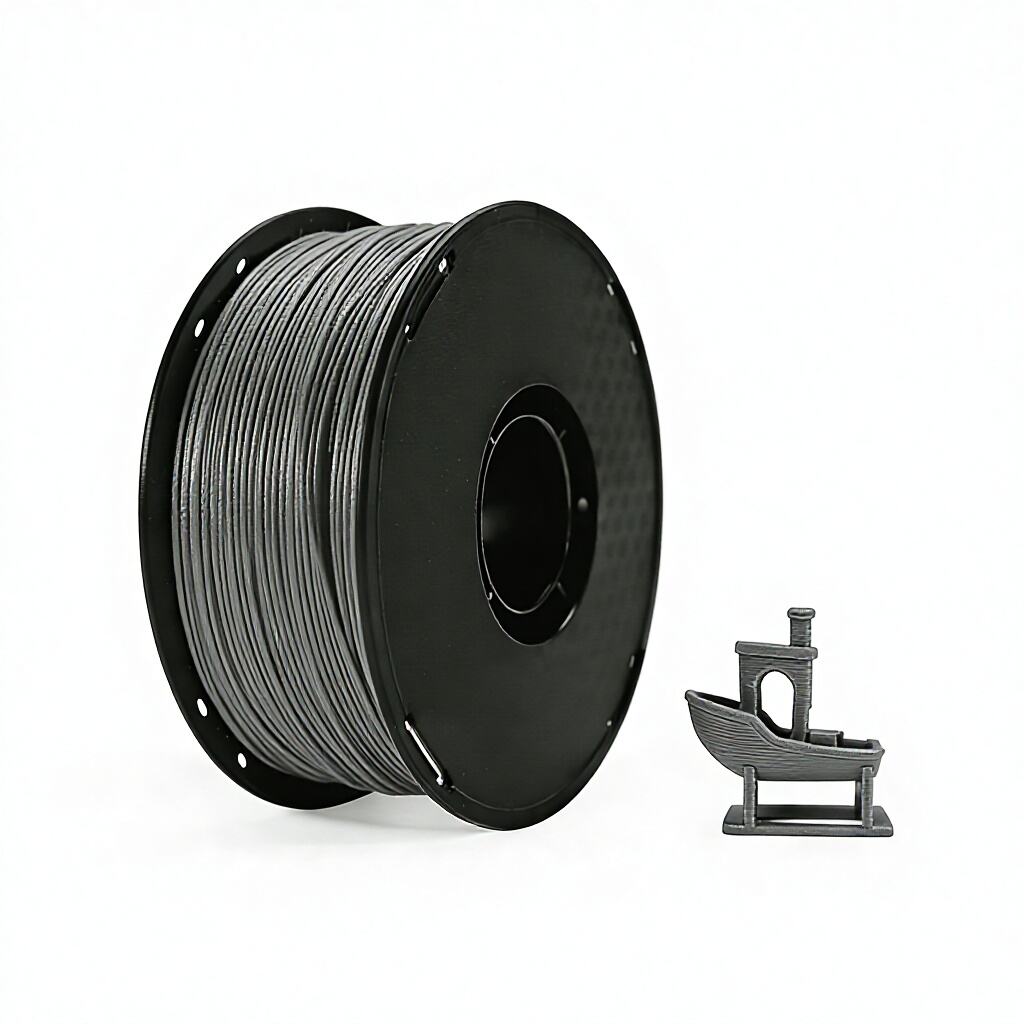
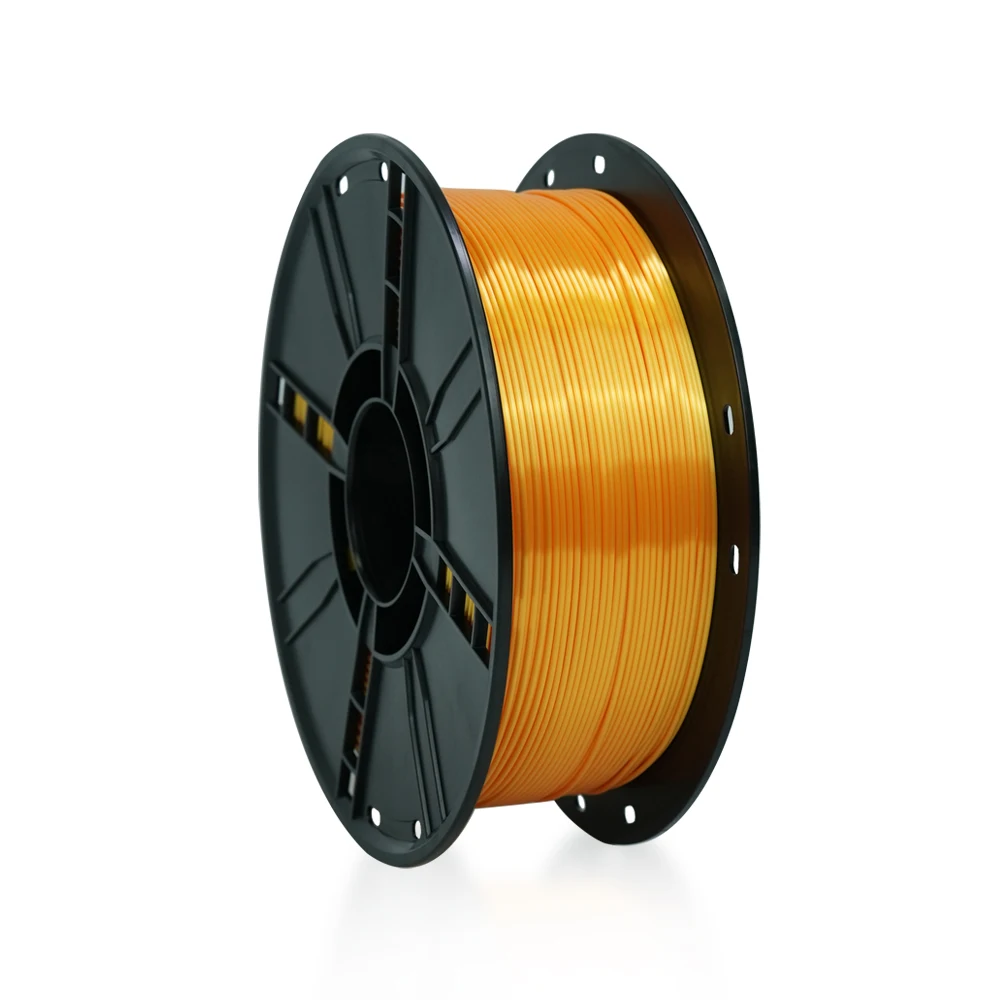
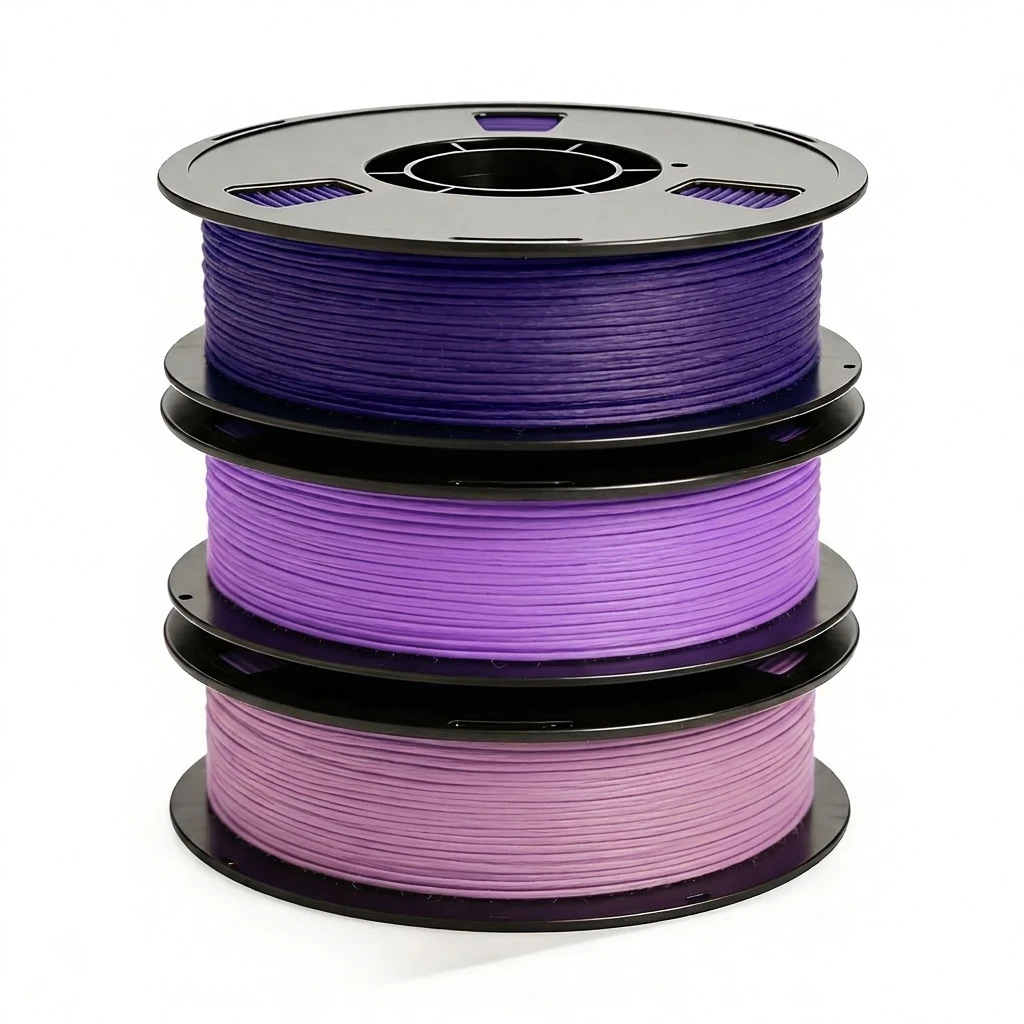
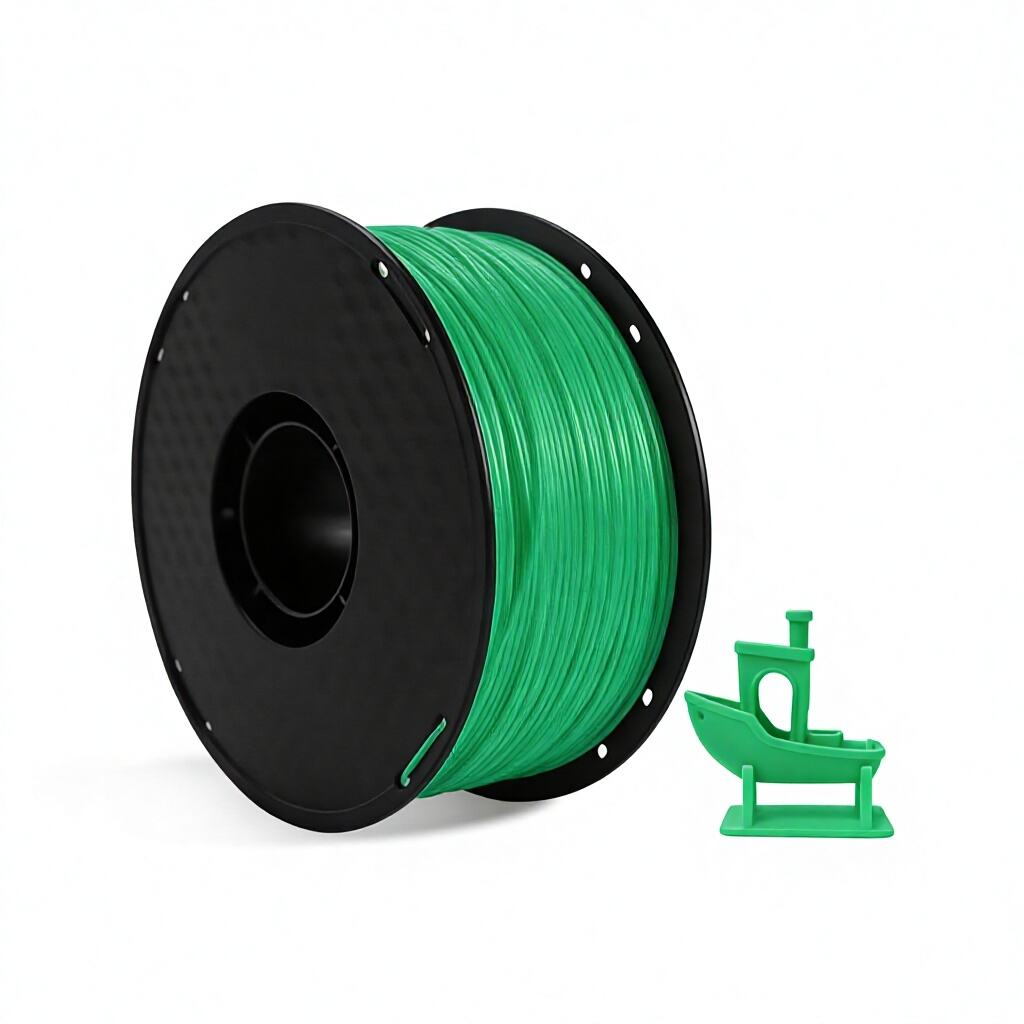
Polypropylene filament stands out as a versatile and high-performance material in the 3D printing industry. At Shenzhen New Mars Material Co., Ltd., our Newmars3dp brand leverages over 100 production lines and a robust factory setup to ensure the highest quality polypropylene filament. This material is known for its excellent chemical resistance, making it ideal for applications in the automotive, medical, and consumer goods sectors. With a daily output of 4,000 kg, we cater to diverse customer needs while maintaining stringent quality control. Our polypropylene filament is lightweight yet strong, offering flexibility that is essential for creating intricate designs and durable parts. For instance, in the automotive industry, our filament is used to produce lightweight components that enhance fuel efficiency and reduce emissions.
Get A Quote

Case Study

Automotive Component Production with Polypropylene Filament

A leading automotive manufacturer integrated our professional-grade polypropylene filament into their rapid tooling division to resolve structural design challenges for fluid-handling sub-assemblies. By exploiting the filament's exceptional chemical resistance, superb fatigue endurance, and low density, the engineering workshop produced end-use functional prototypes directly on the factory floor. This deployment of specialized additive manufacturing materials successfully cut vehicle component weight by 15% and delivered an immediate 20% increase in performance metrics during stress testing, optimizing the R&D workflow and significantly accelerating their time-to-market.

Medical Device Prototyping

A prominent medical device enterprise selected our high-purity polypropylene filament to fabricate custom diagnostic instrumentation housings that require intense sanitization. The superior thermal stability and chemical inertia of our polymer allowed biomedical engineers to safely subject complex 3D printed components to standard steam autoclaving and chemical sterilization protocols without inducing structural warping. This reliable material compliance with demanding healthcare benchmarks directly eliminated design calibration delays, yielding a 30% reduction in physical prototyping time and helping the client clear regulatory testing phases ahead of schedule.

Educational Projects in 3D Printing

A renowned technical university incorporated our stable polypropylene filament into its core mechanical engineering laboratory and STEM curriculum to support practical automotive design research. Thanks to the filament's non-toxic composition, minimal odor, and outstanding impact toughness, students seamlessly translated intricate digital CAD mockups into durable, working mechanical hinges and living containers. Academic tracking revealed a remarkable 40% enhancement in student classroom engagement, proving that deploying consistent, engineering-grade polymer consumables eliminates common nozzle clogs and maximizes the instructional efficiency of academic maker spaces.

Related products

Discover our premium Polypropylene Filament designed for high-performance 3D printing. Product Title: Text Text: Polypropylene filament is rapidly becoming a preferred choice in various industries due to its unique properties. It offers a balance of strength, flexibility, and chemical resistance that is unmatched by other materials. The production process of polypropylene filament at Newmars3dp involves advanced techniques that ensure consistency and quality. Our state-of-the-art factory, spanning 10,000 m², is equipped with the latest technology to produce filaments that meet the highest standards. We utilize a stringent quality control process that includes testing each batch for tensile strength, flexibility, and thermal resistance. This attention to detail ensures that our clients receive only the best materials for their 3D printing needs. Moreover, our polypropylene filament is suitable for a wide range of applications, from industrial manufacturing to medical devices, making it a versatile choice for businesses looking to innovate. With the global demand for 3D printing materials on the rise, our commitment to research and development allows us to stay ahead of the curve, providing our customers with cutting-edge solutions that drive their success.

Frequently Asked Questions

What are the key properties of polypropylene filament?

Polypropylene filament is known for its excellent chemical resistance, low density, and flexibility, making it suitable for a variety of applications including automotive parts, medical devices, and consumer goods. Its lightweight nature allows for the production of durable components that can withstand harsh environments. Additionally, it is non-toxic and safe for educational use, making it an ideal choice for schools and research institutions. Our polypropylene filament also offers high dimensional stability, ensuring that printed parts retain their shape over time. With a daily output of 4,000 kg, we ensure that our clients have access to high-quality materials whenever they need them.
While PLA and ABS are popular choices for 3D printing, polypropylene filament offers unique advantages. Unlike PLA, which is biodegradable but can be brittle, polypropylene is more flexible and resilient, making it suitable for functional parts that require durability. Compared to ABS, polypropylene has better chemical resistance, which is crucial for applications in the automotive and medical sectors. Additionally, polypropylene filament has a lower density, resulting in lighter printed parts without compromising strength. This makes it an excellent choice for industries focused on weight reduction and efficiency.
Yes, polypropylene filament is highly resistant to UV light and moisture, making it suitable for outdoor applications. Its durability ensures that parts printed with polypropylene can withstand exposure to the elements without degrading. This property is particularly advantageous for manufacturers producing outdoor equipment or components that require long-lasting performance in various weather conditions.
The optimal printing temperature for polypropylene filament typically ranges between 220°C to 250°C, depending on the specific printer and settings used. It is important to use a heated bed during printing to prevent warping, which can occur with polypropylene due to its thermal properties. We recommend conducting test prints to find the ideal settings for your specific 3D printer to achieve the best results.
To ensure high-quality prints with polypropylene filament, it is essential to maintain a clean printing environment and use a well-calibrated 3D printer. Additionally, using a heated bed and proper adhesion methods, such as using a polypropylene-specific adhesive or tape, can help prevent warping and improve print quality. Regular maintenance of your 3D printer and using high-quality filament from trusted suppliers like Newmars3dp will also contribute to successful printing outcomes.

Related article

Customer Testimonials

Glenn Holmes

As a product designer, I have worked with various filaments, but Newmars3dp's polypropylene filament is truly exceptional. The material's flexibility and durability allowed me to create prototypes that not only look great but also perform well under stress. I was particularly impressed with how quickly I received my order—just within a week! This filament has become my go-to choice for all my 3D printing projects.

Grant Hunter

Our medical device company has been using Newmars3dp's polypropylene filament for prototyping and production. The material's chemical resistance and strength have made it ideal for our applications. We have seen a significant reduction in prototyping time, thanks to the reliability of this filament. It has allowed us to innovate faster and bring our products to market more efficiently. Highly recommended!

Get a Free Quote

Our representative will contact you soon.
Email
Mobile/WhatsApp
Name
Company Name
Message
0/1000
Superior Chemical Resistance

Superior Chemical Resistance

Our premium polypropylene filament is engineered with an advanced semi-crystalline molecular structure, giving it unmatched chemical defense against aggressive acids, alkalis, and organic solvents. This professional property prevents environmental stress cracking, structural degradation, and swelling when exposed to harsh industrial substances. For automotive, aerospace, and medical production lines, our filament provides the structural reliability needed to build end-use fluid reservoirs, chemical piping components, and clinical laboratory enclosures. By keeping its strong inter-layer bonding intact under intense corrosive exposure, this high-grade technical material cuts long-term equipment replacement costs and significantly improves component lifespan in severe operational environments.
Lightweight Yet Strong Design

Lightweight Yet Strong Design

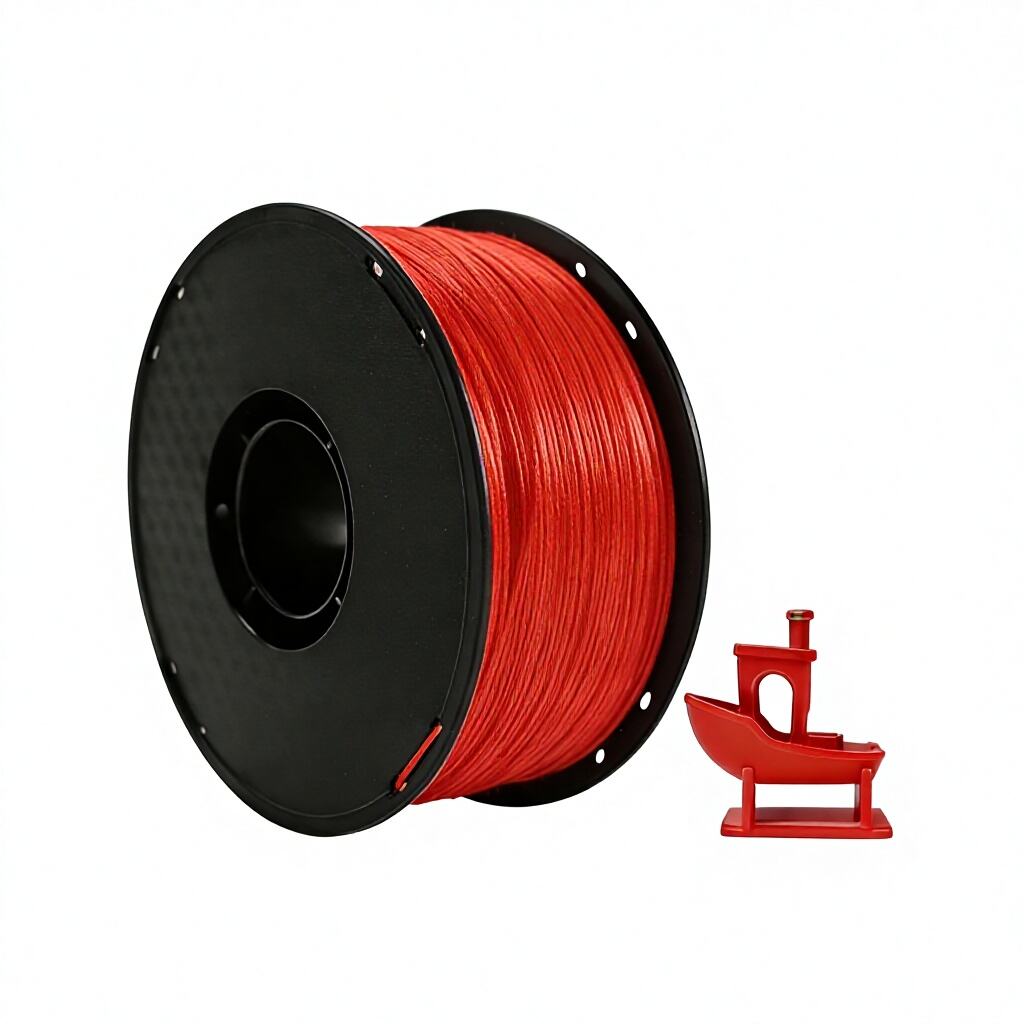
Newmars3dp's polypropylene filament delivers an incredible strength-to-weight ratio, driven by its remarkably low density profile of approximately 0.90 g/cm³. This advanced polymer composition allows industrial design engineers and aerospace manufacturers to build tough, high-impact structural components while achieving up to a 30% reduction in total part weight compared to standard filaments. The material's superb toughness enables it to withstand heavy cyclic loads and bending stress without fracturing, making it perfect for custom living hinges, automotive interior panels, and protective enclosures. This balance of lightness and durability helps modern enterprises optimize fuel economy, enhance load limits, and pioneer lightweight industrial engineering.