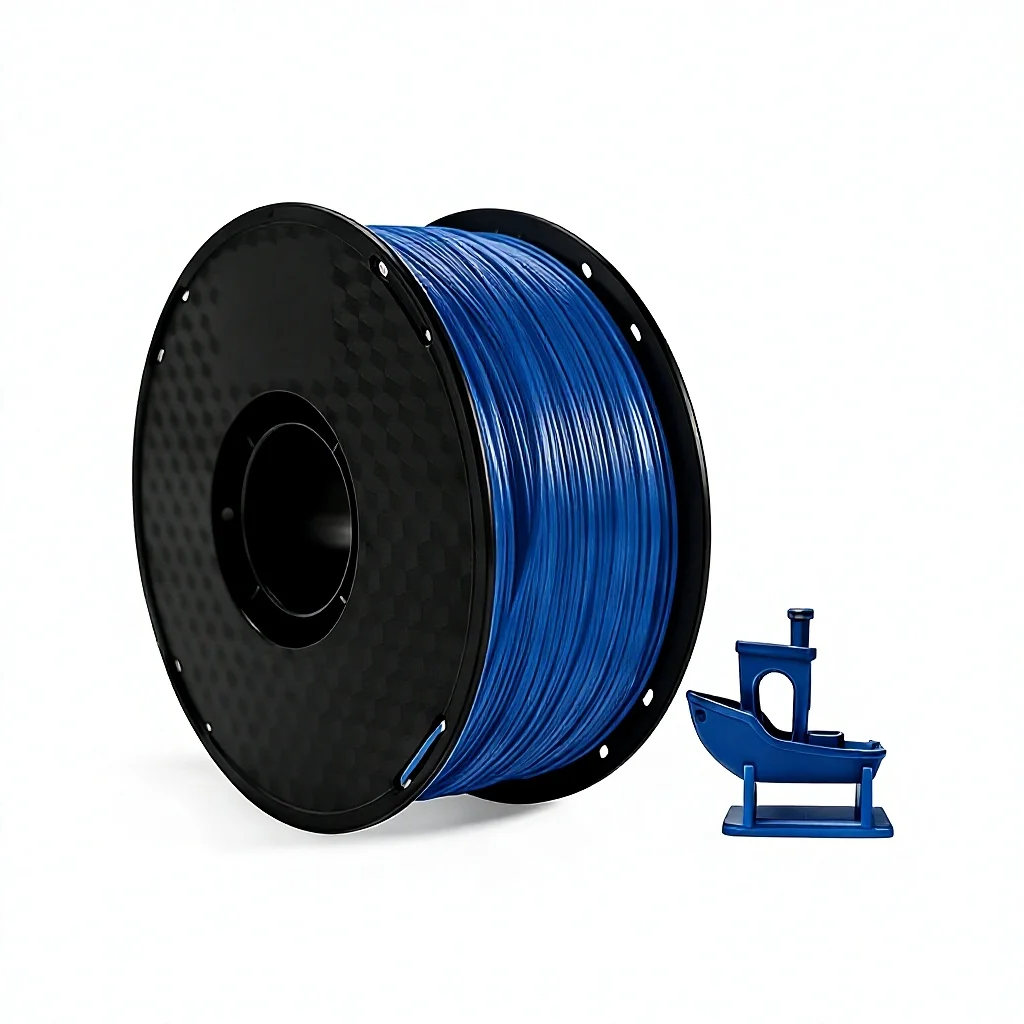
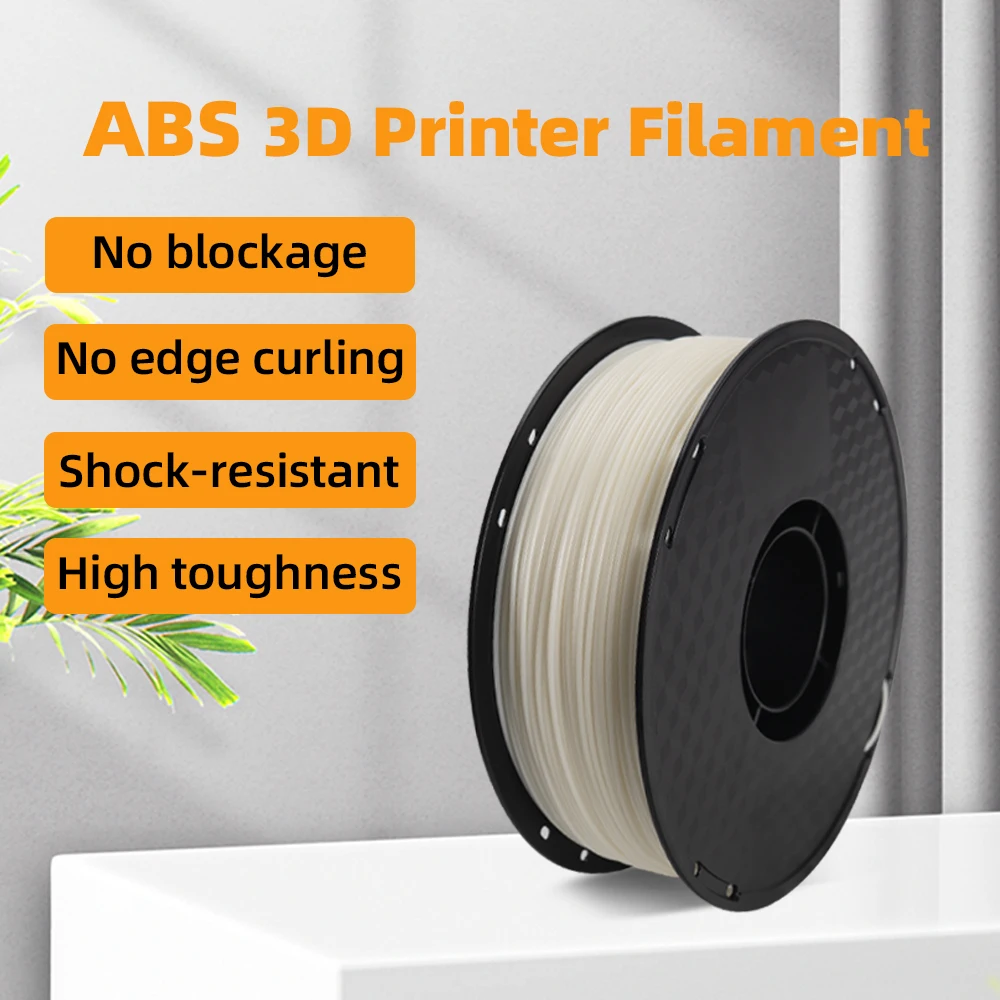
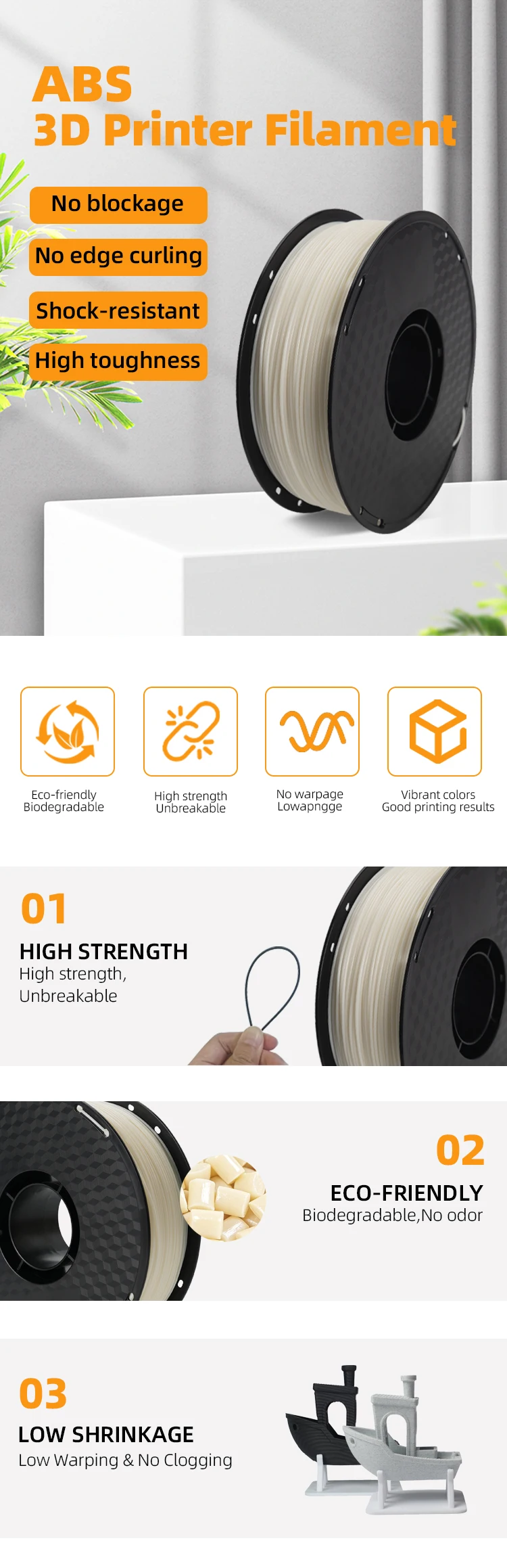
Combining strong shock resistance, no edge curling performance, consistent dimensional accuracy, and reliable weather durability, ABS Filament provides a professional-grade material solution for demanding FDM 3D printing applications. Its smooth extrusion behavior, excellent structural stability, and dependable layer adhesion make it suitable for engineering, industrial manufacturing, automotive development, outdoor products, and creative technical projects.
As industrial and professional 3D printing applications continue to grow, users require materials that provide stable performance, excellent toughness, and reliable long-term durability. ABS Filament has become one of the most widely trusted materials for FDM 3D printing because it combines strong mechanical properties with dependable printing stability. Designed for professional prototyping, industrial manufacturing, and functional product development, this material supports the creation of durable and high-precision printed parts suitable for demanding environments.
Compared with many standard printing materials, ABS Filament offers superior impact resistance, enhanced flexibility, and excellent thermal stability. These characteristics make it highly suitable for engineering projects, customized components, outdoor applications, and industrial prototypes that require dependable structural integrity. Whether used for functional mechanical parts or professional presentation models, the material delivers consistent and repeatable printing results.
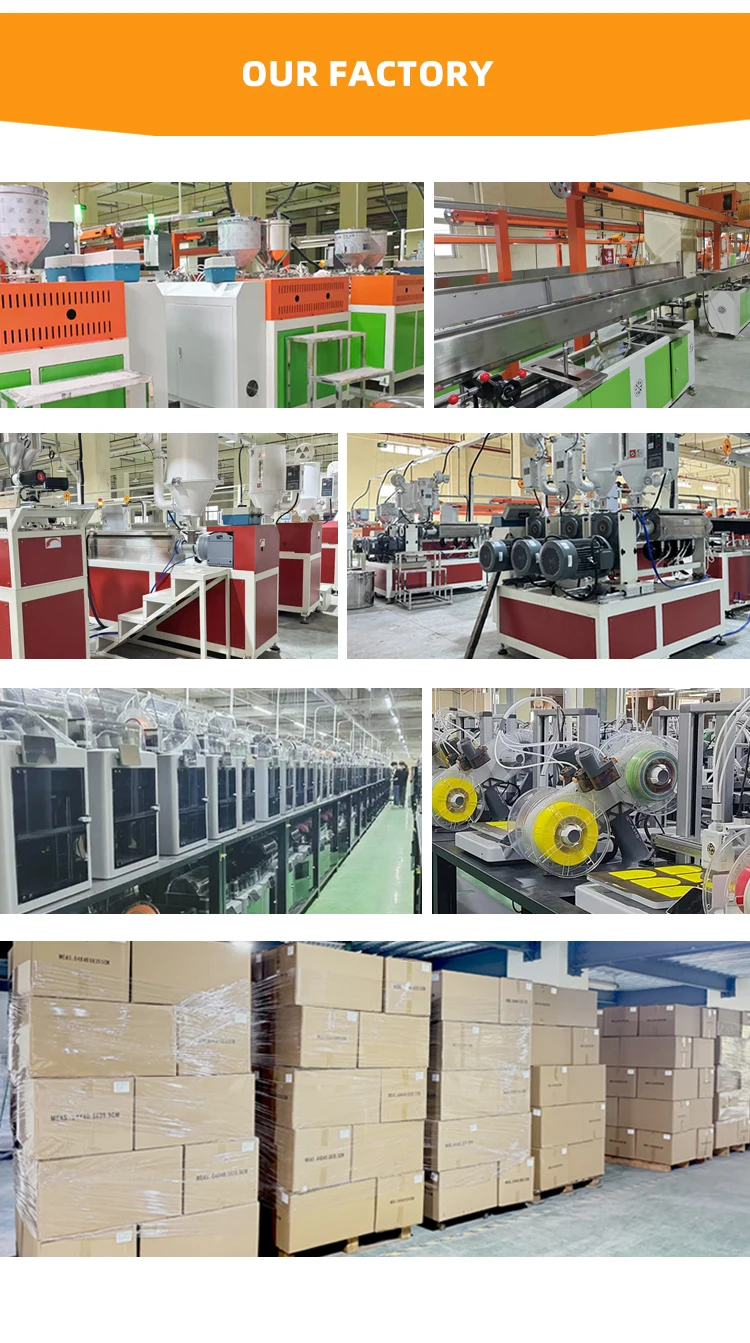
Manufactured using advanced production technology and carefully selected raw materials, ABS Filament provides stable extrusion performance and reliable dimensional consistency throughout the printing process. The optimized formula minimizes common issues such as edge curling, warping, nozzle blockage, and uneven material flow, helping users improve operational efficiency while reducing printing failures and wasted material.
The material’s excellent balance between strength and printability makes ABS Filament suitable for a wide range of users, including engineers, manufacturers, educational institutions, product designers, and advanced hobbyists. Its broad compatibility with mainstream FDM 3D printers also allows businesses and creators to integrate the filament easily into existing production environments.
Another important advantage of ABS Filament is its ability to maintain reliable performance under demanding environmental conditions. The material is designed to support outdoor and functional applications where durability, heat resistance, and impact strength are essential for long-term operational reliability.
One of the most important advantages of ABS Filament is its excellent shock resistance and strong mechanical toughness. The material is engineered to withstand repeated stress, impact, and daily use without easily cracking or deforming. Compared with many entry-level printing materials, ABS Filament provides improved durability and resilience, making it suitable for functional components and industrial applications that require dependable long-term performance.
No edge curling performance is another key feature of ABS Filament. During the printing process, the material maintains stable dimensional behavior and minimizes warping or edge lifting that can affect print accuracy. This allows users to produce larger and more complex models with smoother surfaces and improved structural precision. Reduced deformation also helps minimize print failures and increases overall production efficiency.
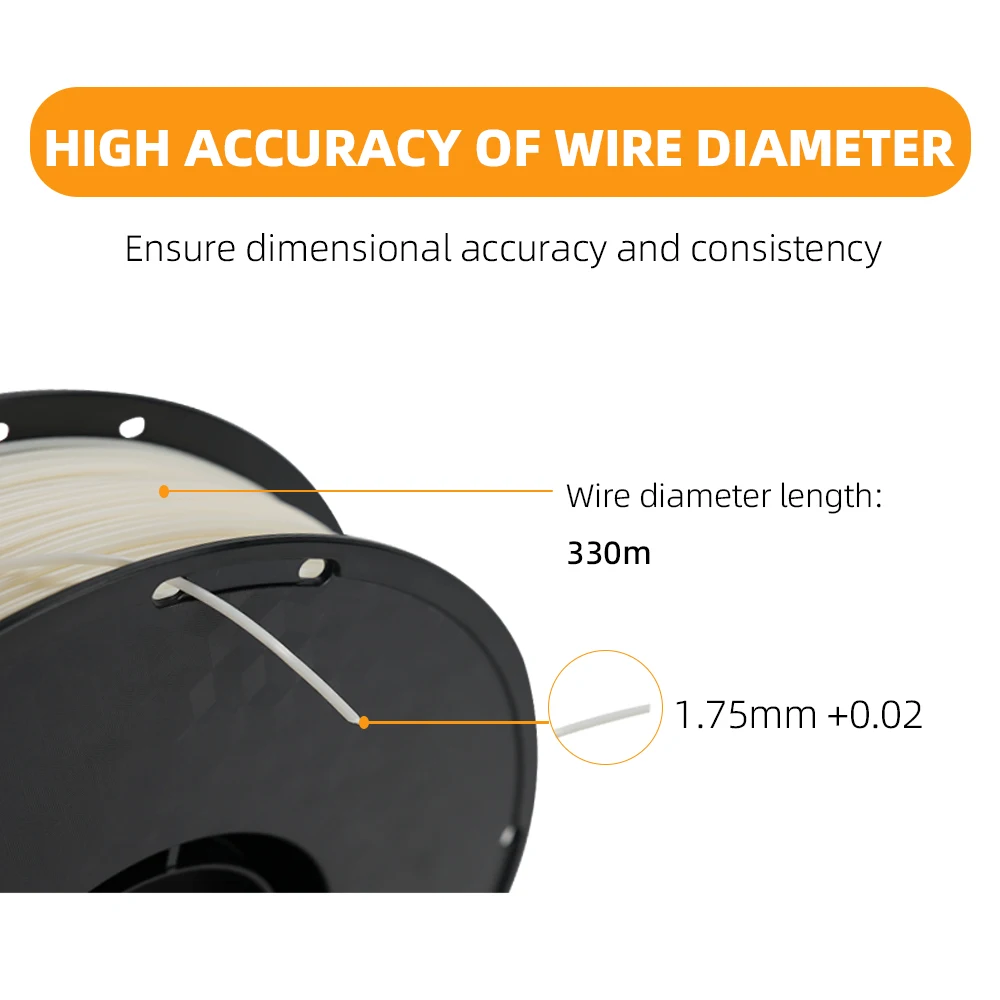
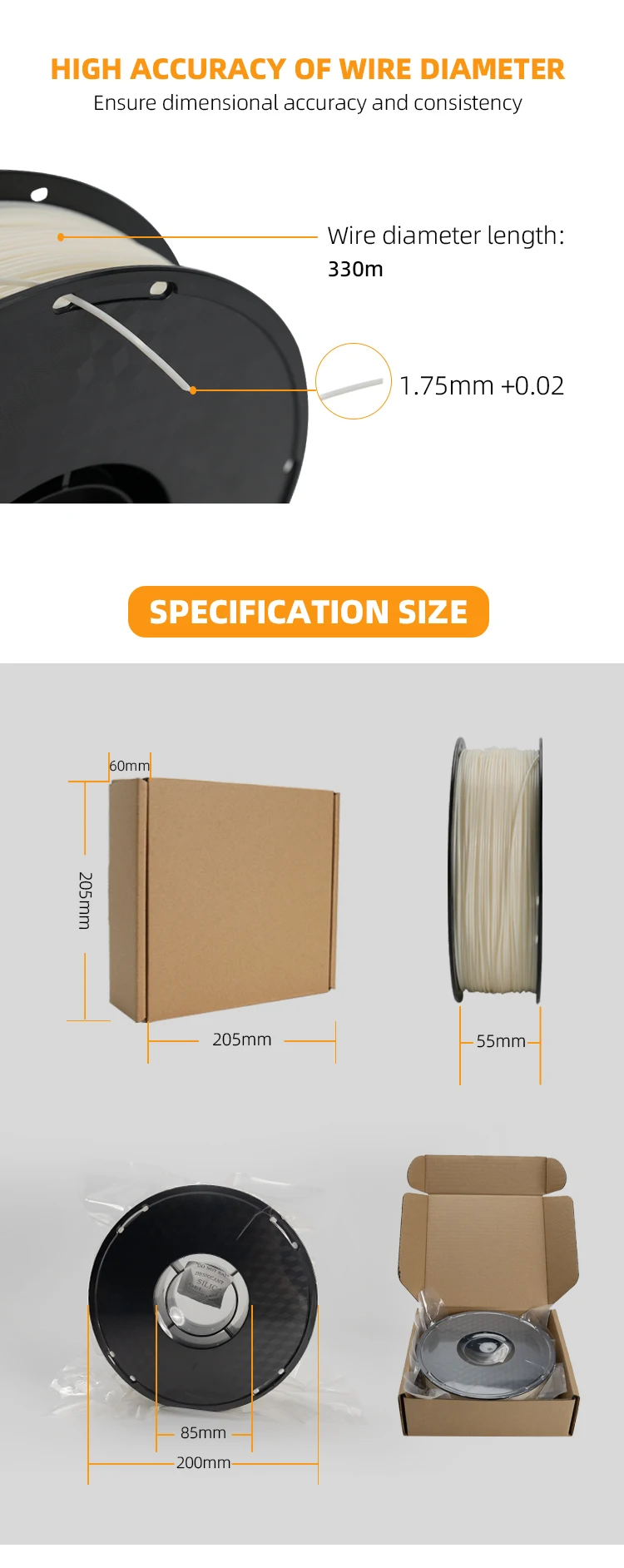
Consistent diameter control further improves the reliability of ABS Filament. Strict manufacturing standards ensure stable wire feeding and smooth extrusion throughout the printing process. Reliable dimensional consistency reduces the risk of nozzle blockage, uneven extrusion, and interrupted printing, helping users achieve cleaner details and more professional-quality finished products.
Another major benefit of ABS Filament is its excellent weather resistance. Printed components can maintain stable performance under outdoor conditions, including exposure to sunlight, moisture, and changing temperatures. This makes the material highly suitable for outdoor equipment, protective housings, and technical applications that require environmental durability.
Strong heat resistance also contributes to the professional performance of ABS Filament. Compared with lower-temperature materials, ABS maintains better structural integrity in warmer operating environments and under continuous mechanical stress. This characteristic is especially important for automotive parts, industrial equipment, and engineering projects where thermal stability is critical.
The material also offers excellent post-processing flexibility. Users can sand, paint, polish, or machine ABS Filament prints to create customized finishes and professional visual effects. This capability supports the production of commercial prototypes, display models, and end-use products with refined appearance and improved surface quality.
Ease of compatibility is another advantage of ABS Filament. The material works effectively with most mainstream FDM 3D printers and supports a wide range of industrial, educational, and creative production environments without requiring specialized hardware.
In addition, ABS Filament provides reliable layer bonding and strong structural adhesion, helping users create durable parts with excellent dimensional accuracy and long-lasting functionality.
Because of its excellent toughness, dimensional stability, and weather resistance, ABS Filament is widely used in engineering, industrial manufacturing, automotive design, technical education, and creative product development. In engineering applications, the material is commonly used to create functional prototypes, mechanical assemblies, customized fixtures, machine components, and structural support parts requiring strong mechanical reliability.
Manufacturing companies frequently rely on ABS Filament for producing industrial housings, protective covers, assembly tools, equipment accessories, and customized production parts. The material’s shock resistance and heat stability allow printed components to perform reliably under demanding working conditions.
Automotive designers and engineers use ABS Filament for dashboard prototypes, ventilation components, mounting brackets, protective enclosures, and replacement parts. Its excellent impact resistance and thermal durability make the material highly suitable for automotive applications where reliability is essential.
For outdoor equipment and weather-resistant applications, ABS Filament supports the production of durable functional parts capable of handling environmental exposure and long-term operation. Products such as outdoor fixtures, technical enclosures, and protective accessories benefit from the material’s stable structural performance.
Educational institutions and technical research centers also use ABS Filament for engineering education, additive manufacturing training, and advanced prototype development. Students and researchers can gain hands-on experience with professional-grade materials while producing durable technical models and functional design projects.
Creative professionals and DIY makers benefit from the versatility of ABS Filament for robotics projects, workshop tools, gaming accessories, RC vehicle components, and customized hardware solutions. The material’s balance of durability, precision, and post-processing flexibility makes it suitable for advanced creative and mechanical applications.
3D printing service providers can also utilize ABS Filament for customized manufacturing, industrial prototyping, and short-run commercial production services across multiple industries requiring dependable mechanical performance and professional print quality.
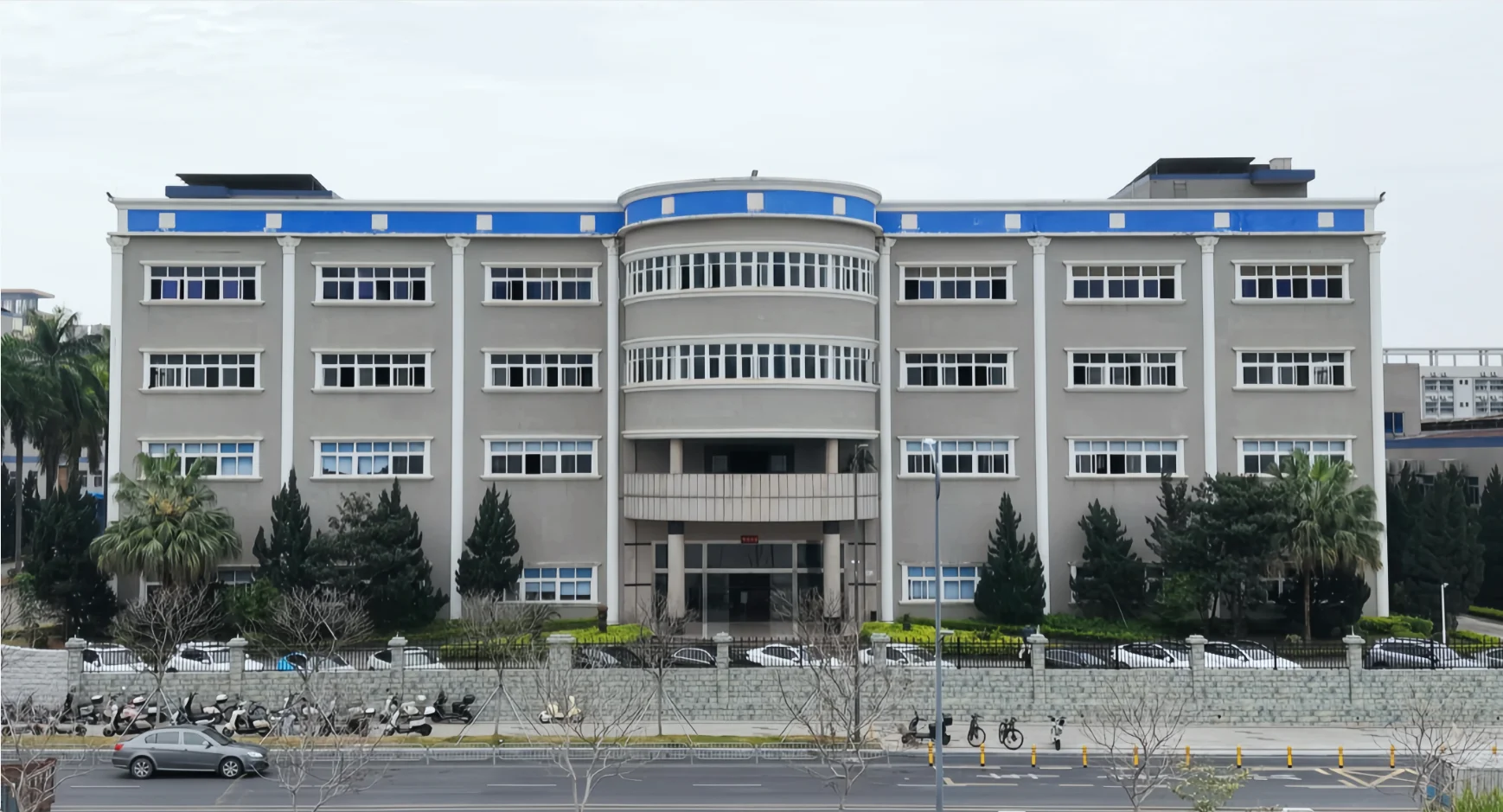
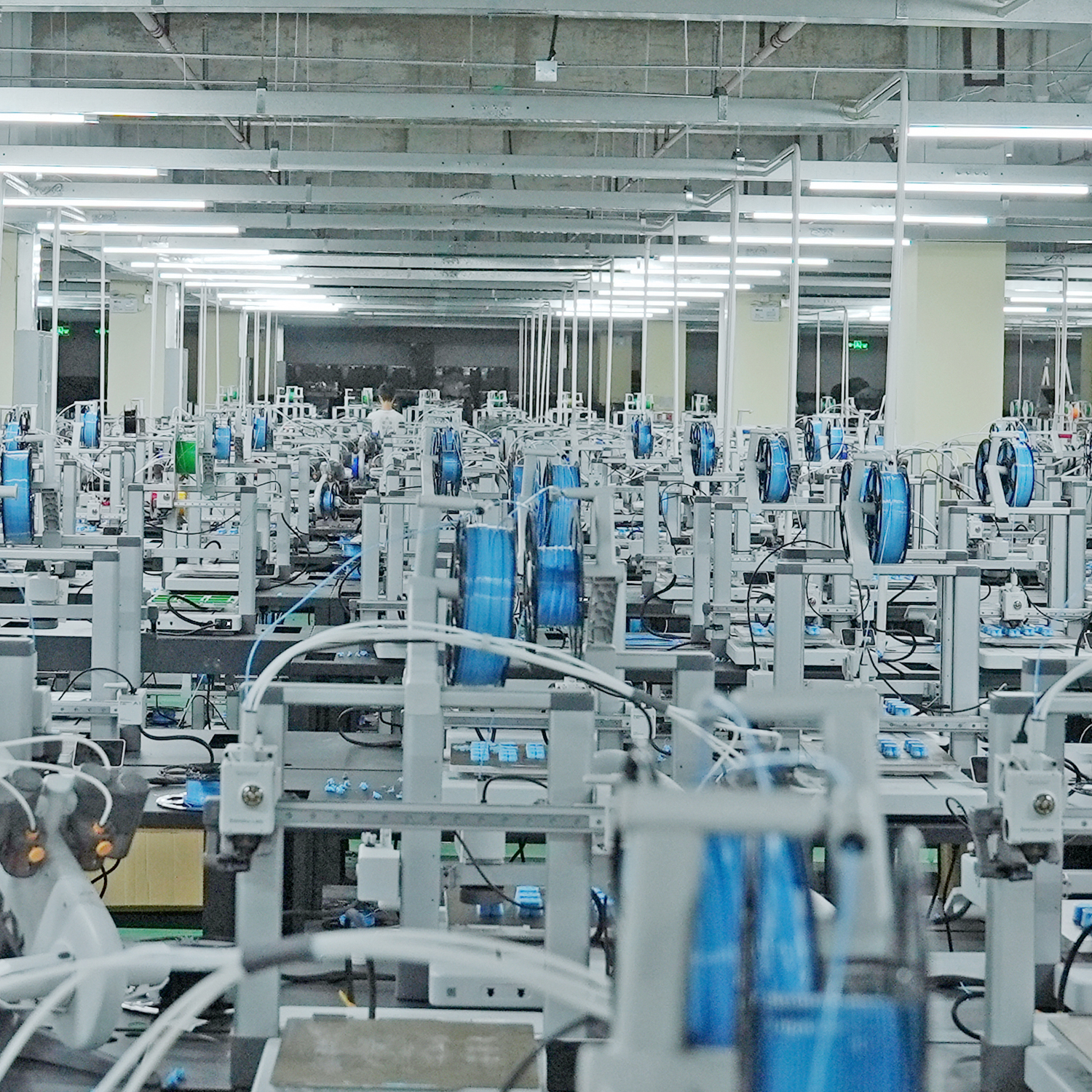
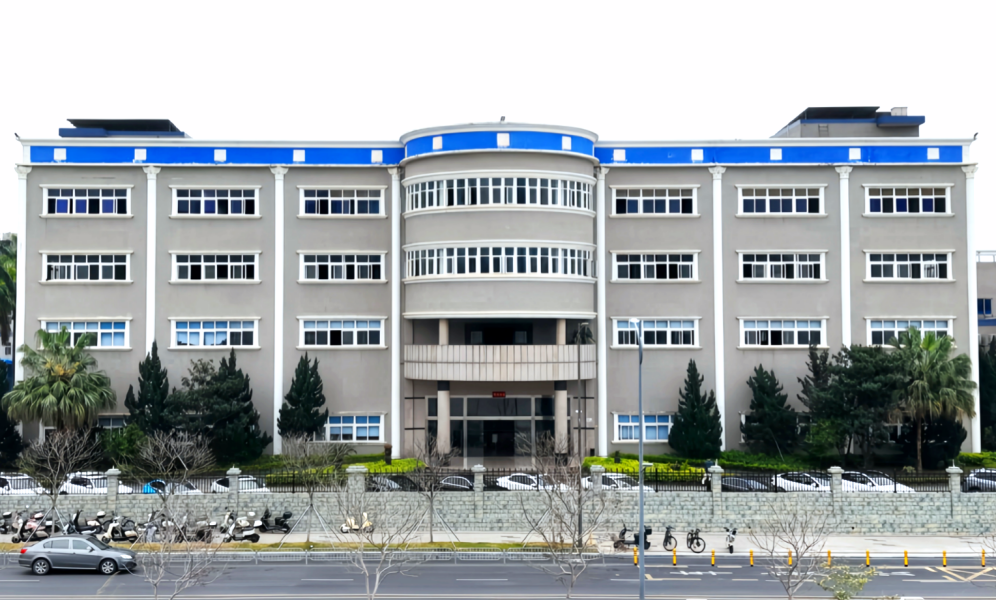
Shenzhen New Mars Material Co., Ltd. is a subsidiary of Winner Technology (Stock NO.: 300609).
The Newmars3dp brand is committed to research and development, production, and sales, and promotes the in-depth development of the 3D printing industry.
The company has met different requirements of PLA, PLA Silk, ABS, PETG, and other 3D printing materials, which can meet different requirements of customers. Newmars3dp 3D printing materials have a full range, excellent performance, and wide application.
They are widely used in product design, industrial manufacturing, surgical medical treatment, culture, education, and scientific research, etc.
 EN
EN
