

PLA & PETG Filament for B2B Manufacturing | High-Toughness, Eco-Friendly

All Categories
Unmatched Quality and Versatility of PLA and PETG Filaments

Unmatched Quality and Versatility of PLA and PETG Filaments

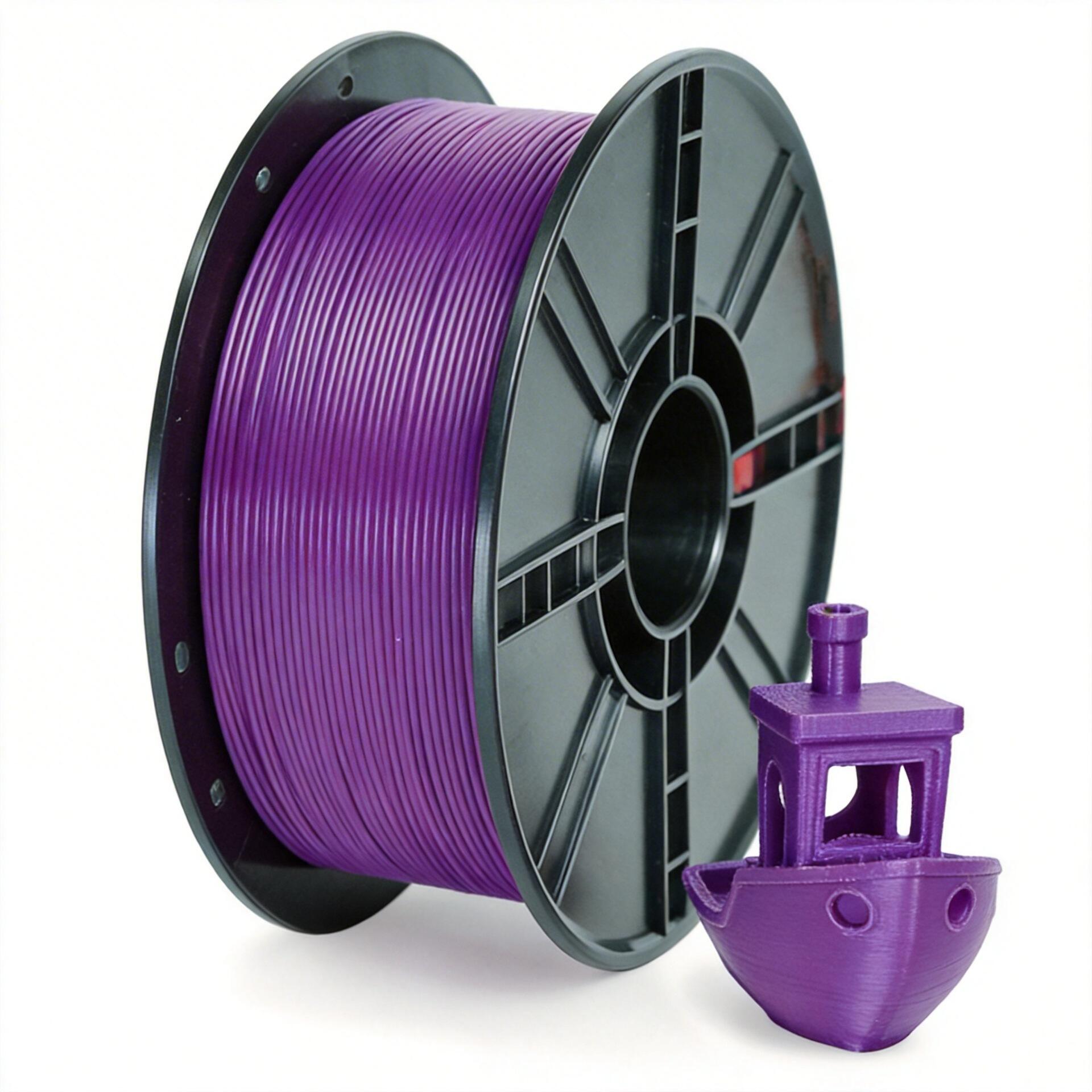
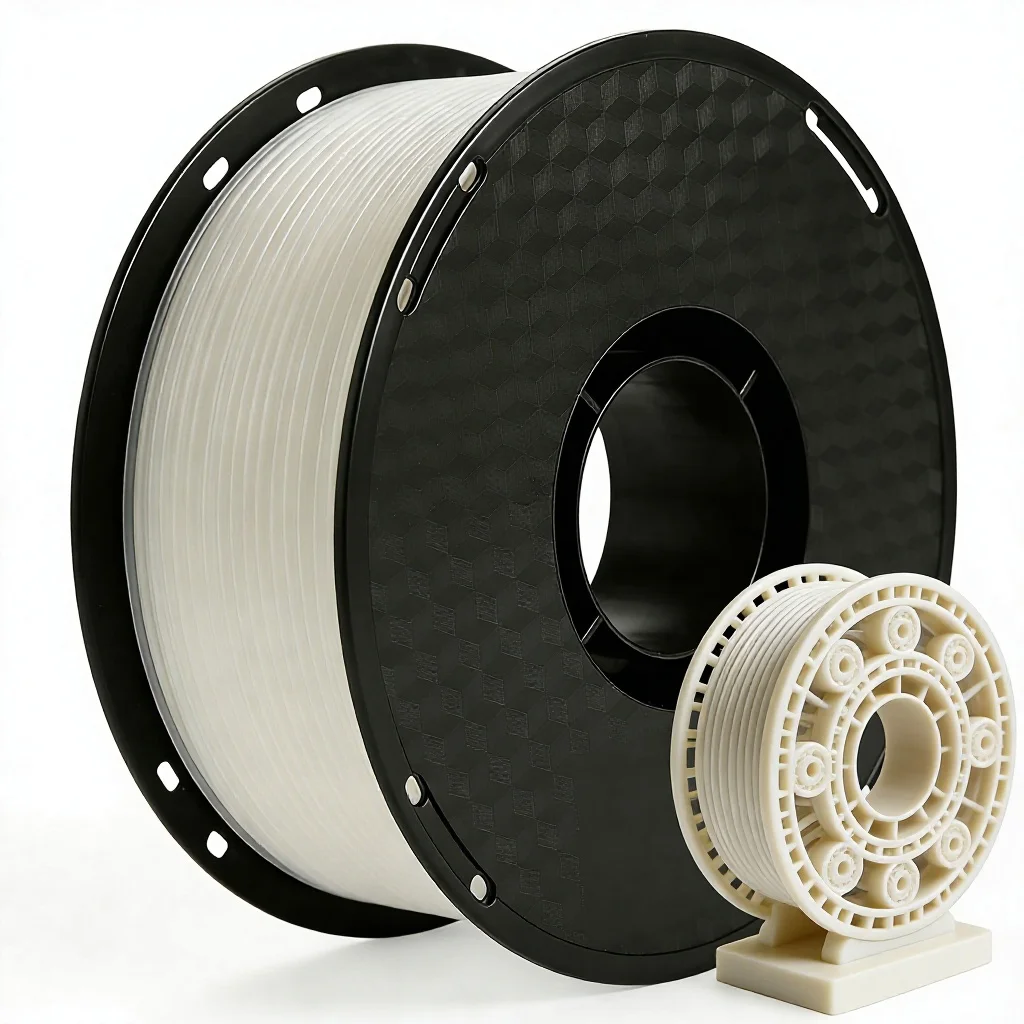
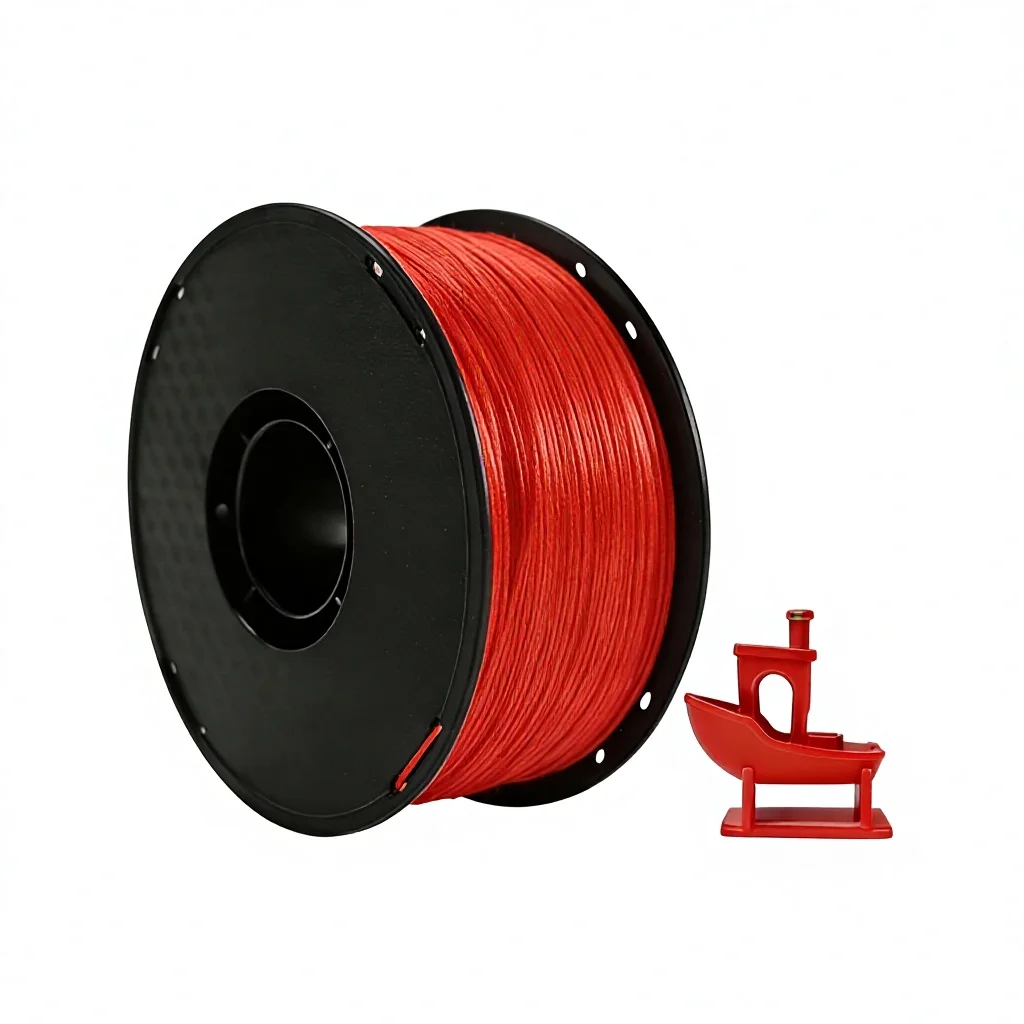
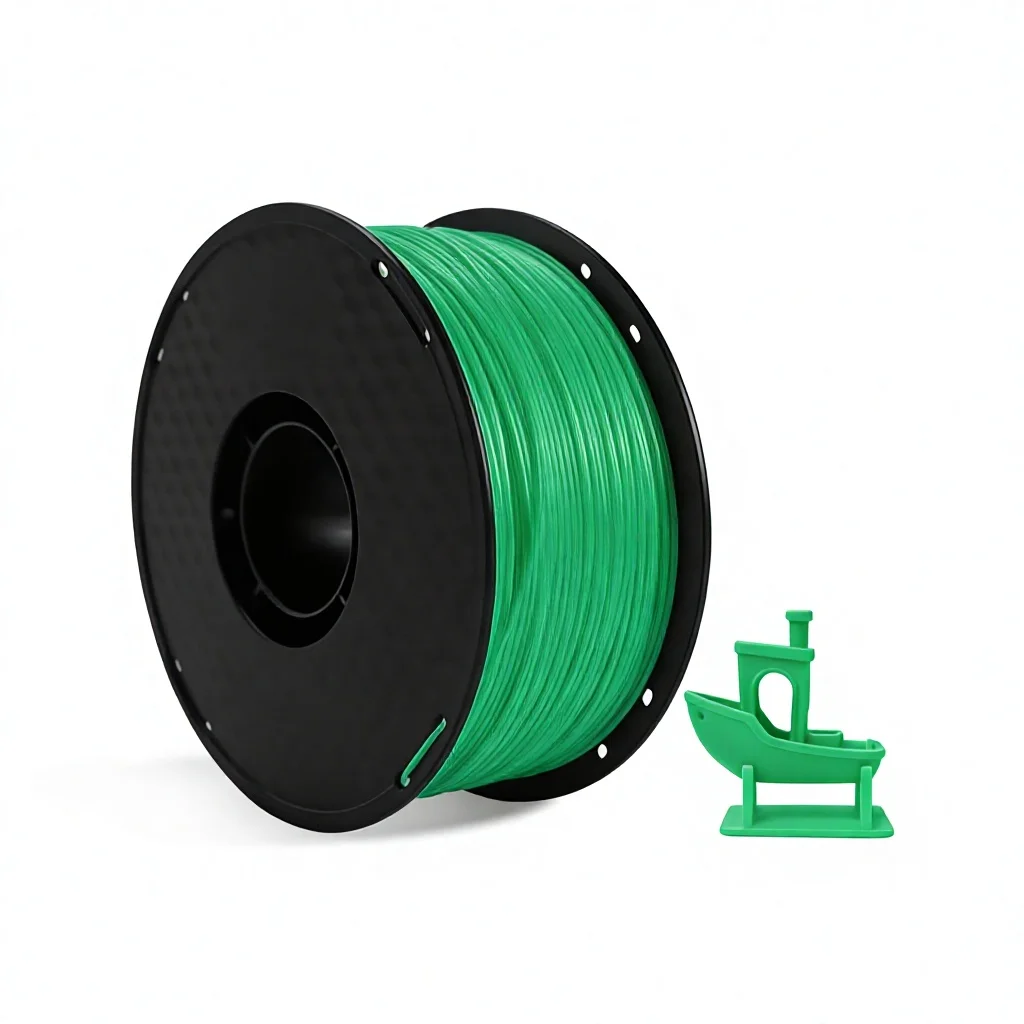
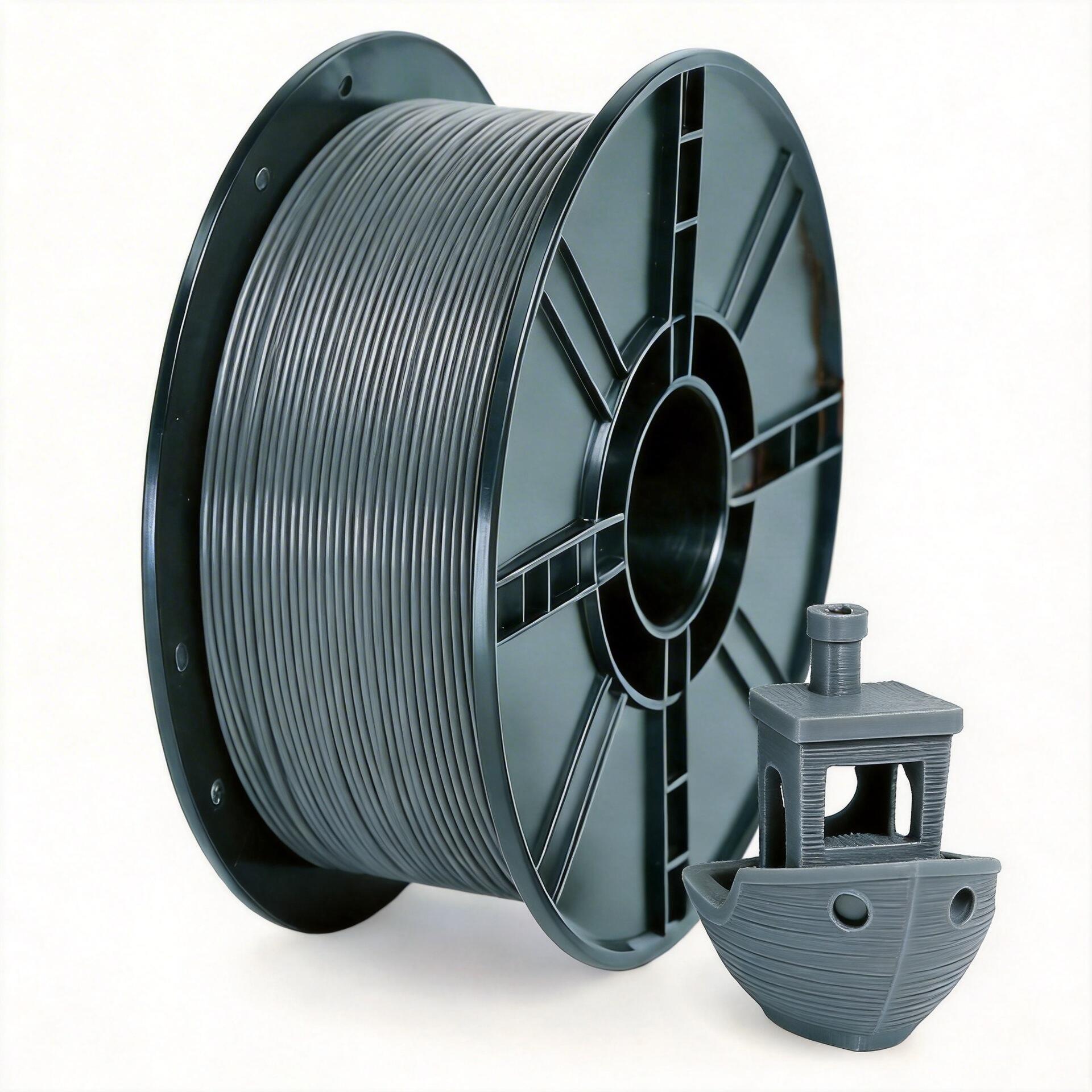
At Shenzhen New Mars Material Co., Ltd., we pride ourselves on offering premium PLA and PETG filaments that are engineered to meet the rigorous demands of various industries. Our PLA (Polylactic Acid) and PETG (Polyethylene Terephthalate Glycol-Modified) materials are produced in our state-of-the-art facility, which boasts over 100 production lines and an impressive daily output of 4,000 kg. This capacity not only ensures a steady supply but also allows us to maintain strict quality control, backed by over 30 production patents. Our PLA filaments are biodegradable, making them an eco-friendly choice for applications in product design and education, while our PETG filaments are known for their durability and chemical resistance, making them ideal for industrial manufacturing and medical applications. With a 10,000 m² factory and a dedicated 2,000 m² warehouse, we can fulfill diverse customer needs efficiently.
Get A Quote

Case Study

Revolutionizing Medical Prototyping with PETG

A leading medical device manufacturer faced intense engineering bottlenecks in rapid prototyping for custom surgical instruments. By utilizing our premium PETG filament, they successfully produced high-precision prototypes that withstood rigorous chemical and thermal sterilization processes. The intrinsic structural flexibility and high impact strength of PETG allowed for intricate, thin-walled designs that were previously unattainable with standard rigid polymers. This material transition resulted in a 30% reduction in prototyping time and a significant cost-saving of over 20% in direct material expenses, significantly accelerating their overall time-to-market.

Innovative Educational Tools with PLA

An educational institution aimed to enhance student engagement through hands-on learning tools in their advanced engineering labs. By implementing our premium PLA filaments, they created custom mechanical models and detailed teaching aids that captivated students' interest through complex geometric accuracy. The biodegradable nature of our cornstarch-derived PLA perfectly aligned with the campus's sustainability goals, enriching the environmental design experience. Structural feedback indicated a notable 40% increase in student participation in STEM subjects, showcasing the immense educational value of high-quality, user-friendly 3D printing materials.

Industrial Manufacturing Solutions with PLA and PETG

A manufacturer specializing in high-performance automotive components sought reliable polymer alternatives to heavy, traditional manufacturing materials. By integrating our specialized PLA and PETG filaments into their rapid tooling and end-use production lines, they achieved weight reductions of 15% in specific brackets and air intake shrouds without compromising overall part strength. This weight-saving innovation directly improved vehicle fuel efficiency while simultaneously meeting stringent regulatory standards for environmental sustainability. The client reported a 25% increase in automated production efficiency alongside lower baseline manufacturing overheads.

Related products

At Newmars3dp, we focus on delivering cutting-edge 3D printing materials that cater to a variety of applications across different industries. Our PLA and PETG filaments are crafted through advanced manufacturing processes that prioritize quality and performance. The production of PLA involves the fermentation of renewable resources, resulting in a biodegradable material that is not only safe for the environment but also easy to print with. Our PETG, on the other hand, is engineered for toughness and clarity, making it a preferred choice for functional prototypes and end-use products. The versatility of these materials allows them to be utilized in sectors such as medical, automotive, education, and industrial manufacturing. We leverage our extensive experience and technological expertise to ensure that our filaments meet the highest standards, providing consistent results in every print. Our commitment to innovation is reflected in our ongoing research and development efforts, aimed at expanding the boundaries of 3D printing technology. By integrating customer feedback and market trends, we continuously refine our products to better serve the evolving needs of our global clientele.

Frequently Asked Questions

What are the main differences between PLA and PETG filaments?

PLA and PETG are both popular materials in 3D printing, but they have distinct properties that make them suitable for different applications. PLA is a biodegradable plastic made from renewable resources, making it an eco-friendly option. It is easy to print, has a low melting temperature, and is ideal for creating detailed models and prototypes. However, PLA is less durable and can warp under high temperatures, limiting its use in functional parts. In contrast, PETG is known for its strength, flexibility, and chemical resistance, making it suitable for industrial applications and functional prototypes. It has a higher melting temperature than PLA, which allows it to withstand mechanical stress and environmental factors. Additionally, PETG is less prone to warping, making it a reliable choice for intricate designs and parts that require durability. Ultimately, the choice between PLA and PETG depends on the specific requirements of your project, including factors such as strength, enviro
While PLA and PETG can both be used in 3D printing, they are not interchangeable due to their differing properties. PLA is more rigid and easier to print, making it suitable for detailed models and prototypes. However, its brittleness may not withstand mechanical stress or high temperatures. On the other hand, PETG offers superior strength and flexibility, making it ideal for functional parts and applications that require durability. When selecting a filament for your project, consider the specific requirements, such as the intended use, environmental conditions, and desired mechanical properties. If your project involves intricate designs that don’t experience significant stress, PLA may be the better option. However, for parts that require strength and resilience, PETG would be the preferred choice. Always refer to the manufacturer's guidelines for optimal printing settings and material compatibility to achieve the best results.
Proper storage of PLA and PETG filaments is essential to maintain their quality and performance. Both materials are hygroscopic, meaning they can absorb moisture from the air, which can lead to printing issues such as bubbling or poor layer adhesion. To prevent this, store your filaments in a cool, dry place, ideally in airtight containers or vacuum-sealed bags with desiccants to absorb any moisture. Avoid exposing the filaments to direct sunlight or high temperatures, as this can degrade the material over time. If you notice any signs of moisture absorption, such as popping sounds during printing, it may be necessary to dry the filaments before use. A filament dryer or an oven set to low temperatures (around 50°C) can effectively remove moisture. By taking these precautions, you can ensure that your PLA and PETG filaments remain in optimal condition for your 3D printing projects.
PLA and PETG filaments have unique properties that make them suitable for various applications. PLA is ideal for creating prototypes, models, and educational tools due to its ease of use and ability to produce fine details. It is commonly used in the arts, crafts, and hobbyist projects where environmental sustainability is a priority. Its biodegradable nature makes it a popular choice for applications that require eco-friendly materials. Conversely, PETG is favored in industrial applications, medical device prototyping, and functional parts manufacturing. Its strength, flexibility, and chemical resistance make it suitable for items that need to endure mechanical stress or exposure to harsh environments. Examples include automotive components, consumer products, and medical devices. Both materials can also be used in the production of custom tools and fixtures, showcasing their versatility in meeting the demands of diverse industries.
Achieving optimal print quality with PLA and PETG requires careful attention to printing settings and environment. For PLA, ensure that the printing temperature is set between 180°C and 220°C, depending on the specific brand and formulation. A heated bed is not always necessary but can help reduce warping. For PETG, set the printing temperature between 220°C and 250°C, and use a heated bed at around 70°C to enhance adhesion. Adjusting print speed, layer height, and cooling settings can also significantly impact the final result. It’s essential to experiment with different settings to find the optimal combination for your specific printer and filament. Additionally, maintaining a clean nozzle and using high-quality filaments will contribute to smoother prints and better layer adhesion. Regularly calibrate your 3D printer and perform test prints to fine-tune settings, ensuring consistent quality for your projects.

Related article

Customer Testimonials

Oliver Williams

We have been using Newmars3dp’s PLA and PETG filaments for our prototyping needs, and the quality has consistently exceeded our expectations. The prints are precise, and we have seen a significant reduction in material waste due to the excellent flow characteristics of the filaments. Their customer service is also outstanding; they provide quick responses and support whenever we have questions. The 7-day delivery promise is a game-changer for our fast-paced projects. I highly recommend Newmars3dp to anyone looking for reliable 3D printing materials.

Elijah Brown

Switching to Newmars3dp’s PETG filament has transformed our manufacturing process. The durability and flexibility of the material have allowed us to create components that withstand rigorous testing and use. We have reduced our production costs by 25% and improved our turnaround times significantly. The team at Newmars3dp is knowledgeable and always willing to assist with technical inquiries. Their commitment to quality and service is evident, and we are thrilled to have found a partner in our 3D printing journey.

Get a Free Quote

Our representative will contact you soon.
Email
Mobile/WhatsApp
Name
Company Name
Message
0/1000
Eco-Friendly, High-Precision Solution with Premium PLA

Eco-Friendly, High-Precision Solution with Premium PLA

Our premium PLA filaments provide an exceptional combination of high print fidelity and eco-conscious material composition. Derived from 100% renewable resources like cornstarch, our PLA is completely biodegradable and compostable under industrial conditions, making it the premier choice for sustainable prototyping and educational environments. Mechanically, it features an optimized low thermal contraction coefficient, resulting in outstanding dimensional tolerance ($ \pm 0.02 \text{ mm} $) and virtually zero warping during large-scale builds. This ensures that industrial design studios can run uninterrupted print queues with impeccable surface finish quality while significantly decreasing their environmental carbon footprint.
High-Impact Versatility and Chemical Resistance of Engineered PETG

High-Impact Versatility and Chemical Resistance of Engineered PETG

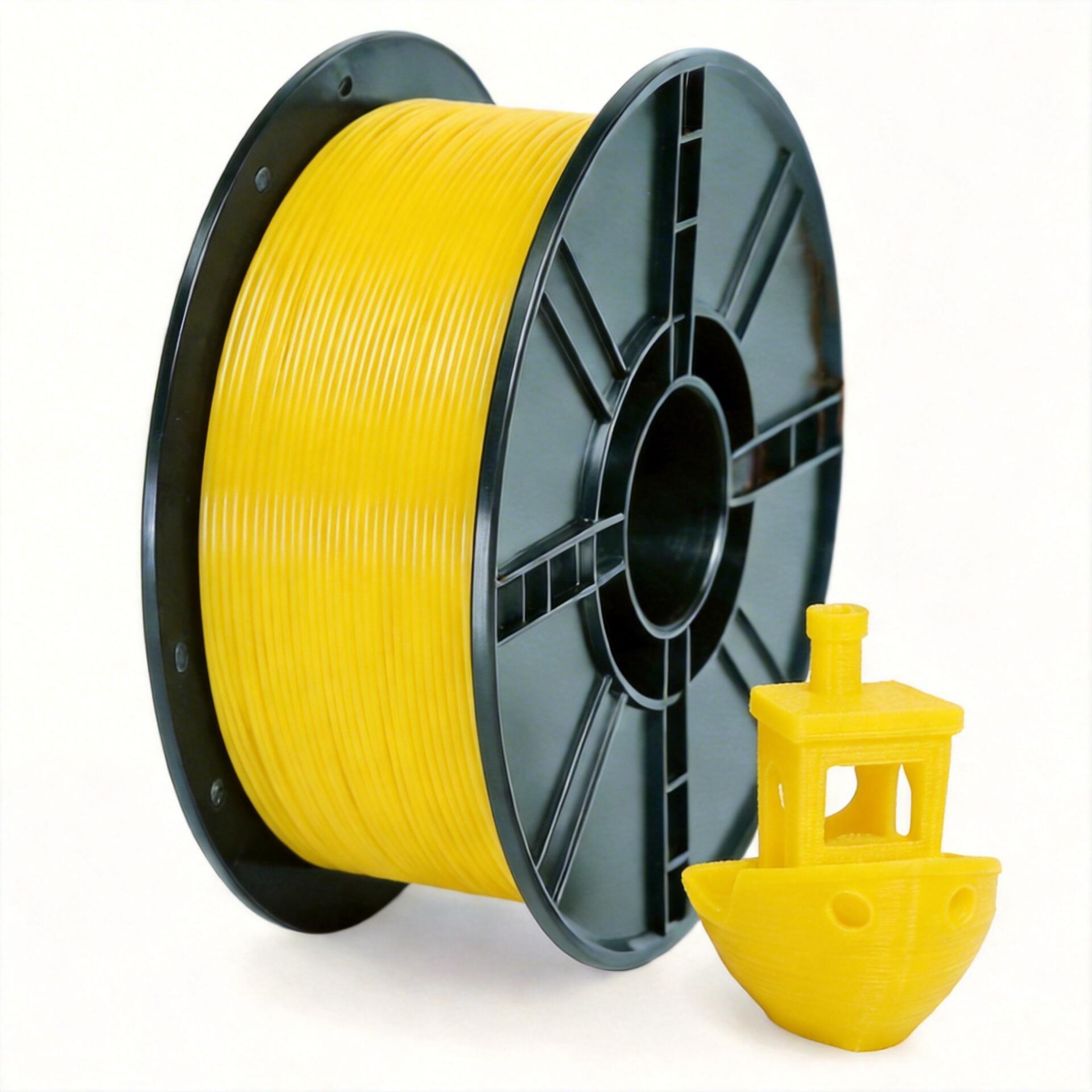
Engineered for the most demanding physical environments, our PETG filament delivers superb mechanical toughness, structural flexibility, and high chemical resistance. Unlike standard rigid polymers, our glycol-modified formulation prevents brittleness and offers excellent interlayer cross-linking, allowing finished components to absorb repeated physical impacts and resist aggressive industrial solvents. This robust material profile makes it a highly valuable asset across the automotive, robotics, and medical sectors for producing end-use snap-fit assemblies, resilient protective guards, and chemical-resistant laboratory enclosures that demand strict, long-term durability.